
Last updated November 16, 2026
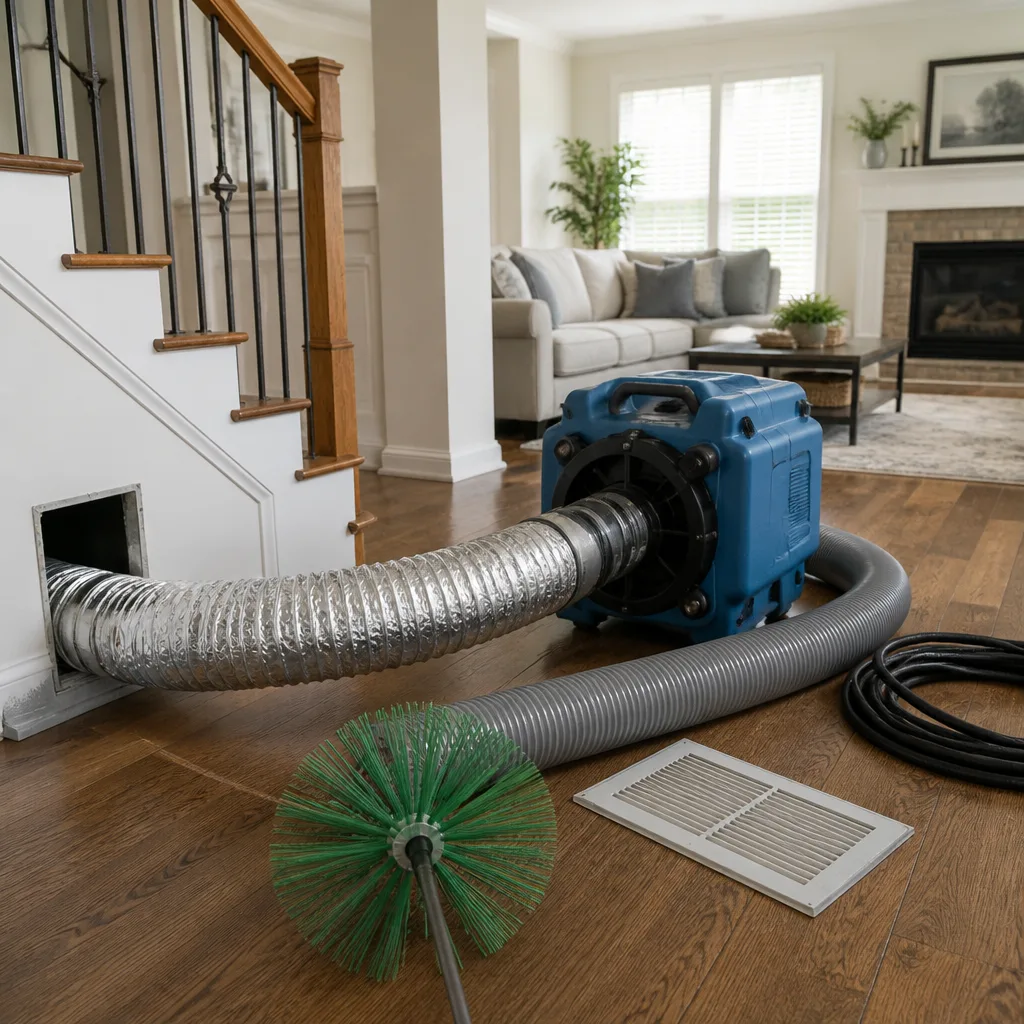 Whole-home duct cleaning
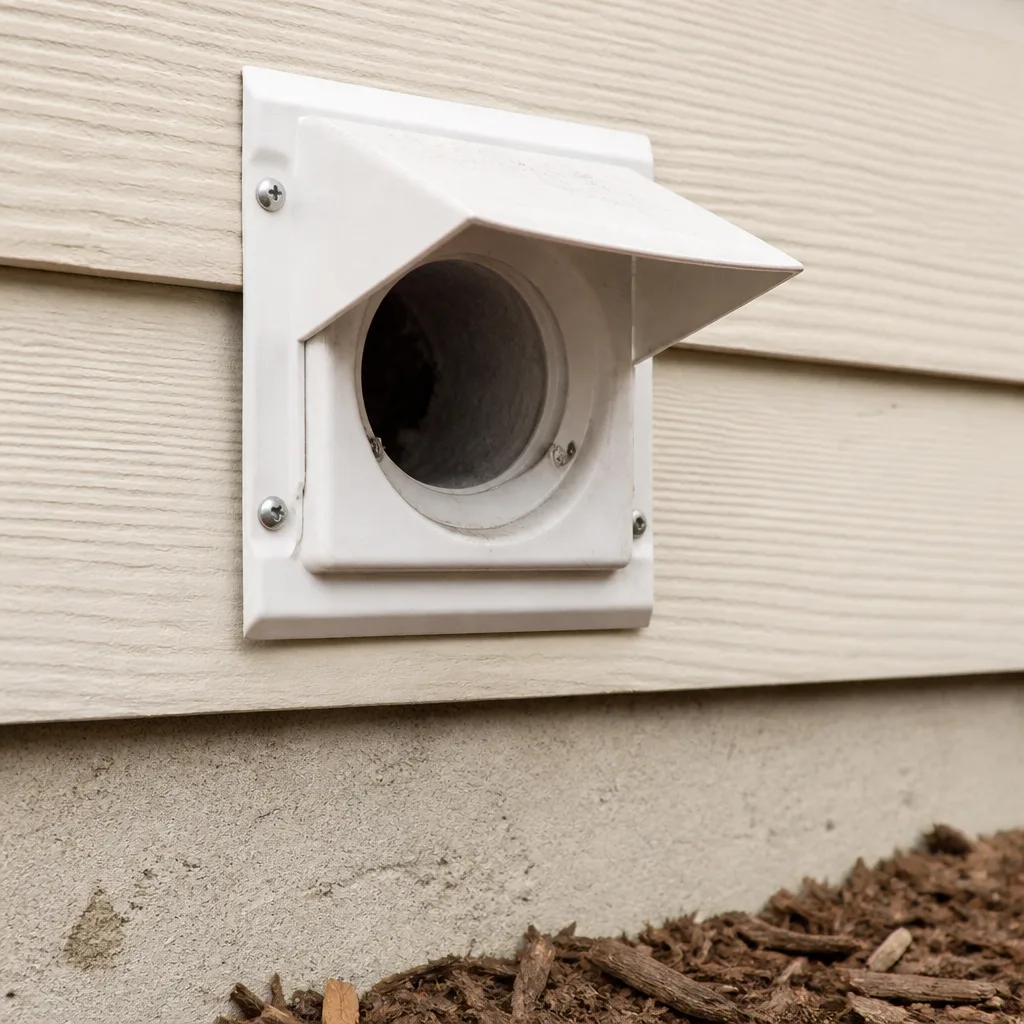 Dryer vent cleaning
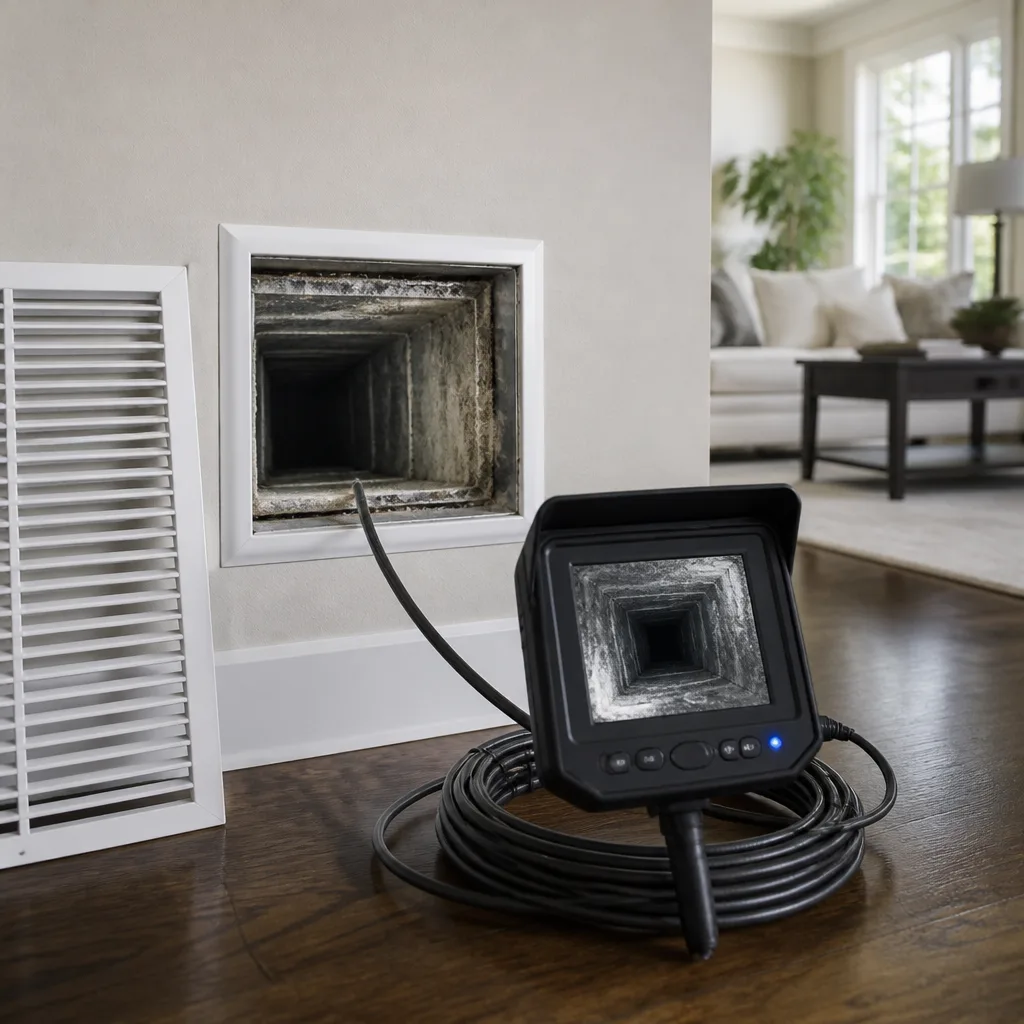 Camera inspection
 Sanitizing & deodorizing
Whole-system duct and dryer vent check with before-and-after photos - you see exactly what came out of your vents
That "$99 whole-house special" is a bait ad - the real number appears once they are in your hallway, or the "clean" is a shop-vac at the register. We photograph the inside of your ducts before and after instead.
Choosing the Right Air Duct Cleaning Brand: A Buyer’s Guide for South Bend
Here’s the problem with shopping for duct cleaning by brand name: there’s no ENERGY STAR label for duct cleaning. No standardized output rating, no third-party score that tells you one contractor’s results are measurably better than another’s. That means most of what passes for “brand” in this market is really advertising. The company with the biggest logo may be running a shop vac and a brush kit, while a quieter operation down the road shows up with equipment built for commercial buildings. In this guide, we translate the equipment specs into plain-language capability, so you can ask the right questions and judge the answers for yourself. And because we’re writing this in South Bend, we’ll point out what actually matters for the homes and climate here.
Quick Answer
In air duct cleaning, the tool stack matters more than the company brand. The strongest operations run professional-grade agitation and HEPA-rated vacuum equipment, like Rotobrush and Nikro, and containment equipment like Abatement Technologies, which captures debris rather than scattering it. Ask which specific machines a contractor uses and whether they handle duct repair in-house, then verify that estimate.
For a closer look at what a full service visit involves, our air duct cleaning page breaks it down step by step.
Styles & brands we work with
- Whole-home duct cleaning
- Dryer vent cleaning
- Camera inspection
- Sanitizing & deodorizing
Table of Contents
- Why Does Equipment Brand Matter More Than Company Brand?
- What Does Rotobrush Equipment Actually Do?
- Why Is Nikro HEPA Vacuum Equipment Different?
- What Does Abatement Technologies Containment Do?
- How Do You Assess a Contractor’s Equipment Stack Before You Book?
- Why Should One Company Handle Both Cleaning and Repair?
- What Does “Certified” Actually Mean in This Industry?
- What Should South Bend Homeowners Know Specifically?
Why Does Equipment Brand Matter More Than Company Brand?
Because duct cleaning is a mechanical job, and the result is only as good as the machine doing the work. A nationally recognized franchise with a strong logo and undersized equipment will leave more debris behind than an independent operator using professional-grade gear. The company brand tells you how well the business markets itself. The equipment brand tells you what it can actually do inside your ductwork.
Here’s what separates the two tiers:
- Consumer-grade setups. Shop vacuums with shop-vac filtration, nylon bristle brushes, and flexible rods. Fine for reaching into a short branch line. Underpowered for a whole-house system.
- Professional-grade setups. Rotobrush agitation systems, Nikro HEPA-rated vacuums, and Abatement Technologies containment equipment. Engineered for sustained airflow, negative pressure, and capture of fine particulate.
The difference isn’t just raw power. It’s control. A shop vac can loosen dirt and send it back into the return air. A HEPA-rated vacuum under negative pressure pulls it into a sealed container and keeps it there. If a contractor can’t tell you how they keep the debris from re-entering your living space, they probably haven’t thought about it.
In our experience, homeowners in South Bend ask good questions when you give them the right context. So here’s the context: what you’re really screening for is which equipment ecosystem a contractor has chosen to build their business around. That choice reflects how seriously they take the work.
What Does Rotobrush Equipment Actually Do?
Rotobrush is an agitation system. It’s the machine that breaks the physical bond between accumulated debris and the duct wall. Vacuum alone removes what’s loose. Rotobrush removes what’s stuck.
Think about what actually coats the inside of ductwork over years. Household dust, pet dander, hair, lint, and then a fine layer of oily film that binds it all together. Straight vacuum has to fight both weight and adhesion. Rotobrush’s rotating brush heads do the separation work first, which frees the vacuum to do what it’s built for: pull the loosened material into a capture container.
What makes it professional rather than improvised:
- Purpose-built brush heads sized for standard residential duct diameters, with soft bristles that agitate without gouging metal or tearing flex duct liner.
- On-board vacuum integration so agitation and capture happen in a single pass. Nothing gets stirred up and left behind.
- Reach into branch runs that a fixed vacuum port can’t get inside. Short runs off the trunk are where debris collects most heavily, and short runs are exactly where inadequate tools give up.
If a contractor shows up with a shop vac and a hand brush, they can clean a register. They cannot clean a system. That distinction is the whole game.
Where the work happens
The main trunk line carries the bulk of the volume, but the branch runs to individual rooms are where dust, dander, and lint settle. A system that doesn’t reach each branch run leaves pockets of residue that will be pulled back into circulation as soon as the furnace or AC runs. Rotobrush is built to work those runs, not just the trunk.
Why Is Nikro HEPA Vacuum Equipment Different?
Nikro is a HEPA-rated vacuum system. That means the air moving through the machine gets filtered to a level that traps fine particulate rather than exhausting it back into the room. A standard shop vacuum pushes the finest dust out the exhaust. A HEPA-rated unit captures it.
Why this matters for duct cleaning specifically: the debris you can’t see is the debris that ends up in your lungs. Ultra-fine particulate, the kind that doesn’t settle for hours, is the reason people with allergies and asthma notice a difference after a proper cleaning and don’t after an improper one. If the vacuum doesn’t have the filtration to hold what it pulls in, the job is only cosmetic.
What to look for in a contractor’s vacuum setup:
- HEPA-rated filtration. The filter is designed to hold fine particulate at the capture end, not the exhaust end.
- Negative pressure. The system maintains lower pressure inside the duct than in the room, so air flows into the ducts rather than out.
- Sealed collection. Captured debris goes into a contained receptacle, not into the open air or onto a drop cloth.
Combined with Rotobrush agitation, Nikro equipment forms the core of a professional stack. One breaks debris loose. The other holds it. Neither works as well without the other.
What Does Abatement Technologies Containment Do?
Abatement Technologies builds containment equipment. In practice, this is what separates a cleaning that protects your home from a cleaning that leaves you vacuuming for three days afterward. Containment means the debris is captured where it’s loosened, not redistributed through the house while the technician works.
The word “containment-first process” is worth unpacking. When we run a job, the containment step precedes the agitation. Entry points get sealed. The vacuum gets connected to the system under negative pressure. Only then does the Rotobrush go into the ductwork. Air from the room cannot enter the system while it’s being cleaned, and debris from inside the system cannot escape into the room.
This is also where protective products in the Guardsman family come in. Guardsman-grade protective products are used to safeguard surrounding surfaces and materials, so floors, trim, and furnishings around the work area are shielded. That’s not a marketing flourish. It’s the difference between a job that leaves a home exactly as it was and one that leaves a mess the homeowner has to clean up after the crew leaves.
Some jobs need more containment than others. High-volume trunk lines in larger systems, older homes with heavier accumulation, or systems where a section of duct has visible disrepair all call for a more careful containment setup. A contractor who improvises containment with plastic sheeting and tape is not running the same job.
How Do You Assess a Contractor’s Equipment Stack Before You Book?
You ask specific questions and listen for specific answers. You don’t need to know how to run the equipment to evaluate whether the contractor has it. Here’s a numbered sequence that works for any call in South Bend.
- Ask for the equipment names. “What agitation and vacuum systems do you use?” The professional answers with brand names: Rotobrush, Nikro, Abatement Technologies. The unprepared contractor says “professional equipment” and leaves it there. Push gently. If they can’t name it, they don’t own it.
- Ask about containment. “How do you keep debris from getting into the house?” The right answer mentions negative pressure, sealed entry points, and capture at the source. If the answer is “we use drop cloths,” the containment step is missing.
- Ask about HEPA filtration. “Is your vacuum HEPA-rated?” This is a yes-or-no question, and it’s a fair one. A contractor with HEPA-rated equipment will answer yes immediately. One without will change the subject.
- Ask whether they repair ductwork. “If you find a collapsed section or a disconnected joint, can you fix it in the same visit?” This is a scope-of-capability question and it tells you a lot about the operation.
- Ask about your premium equipment compatibility. If you own a Honeywell or Aprilaire filtration or ventilation system, ask whether the contractor is certified to work on and around those systems. They’re premium air quality brands and a cleaning technician shouldn’t be the first person to learn how they’re installed.
- Ask for the written estimate in advance. A crew that shows up without a written scope hasn’t committed to what they’re going to do. The written estimate should state the equipment, the work, and a flat price.
None of those questions require technical expertise. All of them reveal whether the contractor runs consumer-grade tools or professional equipment. If a contractor’s website lists services but never mentions equipment, that silence is information. A serious operation tends to mention what it runs, because the equipment is the differentiator.
What CFM and other specs mean for you
CFM (cubic feet per minute) is airflow. Higher CFM under the right conditions means more volume of air moving through the system and more debris pulled into the capture. But CFM alone isn’t the metric to chase. What matters is CFM combined with HEPA filtration and containment. A high-CFM vacuum without filtration just moves more dust into the room faster. If a contractor quotes CFM numbers, follow up with “and what’s the filtration rating?” A confident, specific answer tells you they understand the whole system, not just the loudest part of it.
Why Should One Company Handle Both Cleaning and Repair?
Because cleaning exposes problems that repair has to address, and splitting the work between two contractors costs money and time. A thorough cleaning routinely turns up deteriorated duct liner, disconnected joints, collapsed flex sections, crushed runs, and loose seams. If the company doing the cleaning can’t fix what it finds, you’re left with one visit’s worth of findings and a second contractor’s worth of scheduling. Often the findings get ignored, and the ductwork keeps leaking air for years.
The internal logic of single-contractor scope is simple: clean, inspect, repair, done. Why that produces better outcomes:
- You keep the report. When the same technician who cleaned the system does the repair, they already know exactly what they saw. There’s no translation loss between one contractor’s report and another contractor’s execution.
- You avoid the re-scheduling delay. A second company means a second estimate, a second dispatch window, a second day of disruption. Ductwork that fails cleanly often fails more while it’s sitting broken.
- You own a single point of responsibility. If the repair doesn’t hold, you call the same company. No finger-pointing between a cleaner who says “the repair wasn’t done right” and a repair tech who says “the cleaning loosened something.”
Air duct repair is one of the three core services we offer specifically for this reason. We clean it. If it’s broken, we fix it. That’s not a slogan; it’s the reason duct repair is on the service menu at all. Most cleaning-focused contractors will either refer the repair out or ignore the deterioration entirely, because fixing ductwork isn’t in their business model. For a South Bend homeowner with a house built any earlier than the late 2000s, this is a live question on nearly every job.
What repair actually covers
Repair work includes reconnecting separated joints, replacing failed sections of flex duct, sealing leaks at the trunk and branch line, and correcting crushed or collapsed runs. None of it is exotic. All of it is beyond the scope of a clean-only contractor. If a prospect asks “do you repair as well as clean,” the answer is the one that makes the whole engagement useful.
What Does “Certified” Actually Mean in This Industry?
NADCA is the National Air Duct Cleaners Association, and it publishes the ACR standard, the recognized industry benchmark for how duct cleaning should be performed. NADCA certification is the closest thing the trade has to a credential worth checking, and the ACR standard is what the credential means in practice.
What the ACR standard requires in broad terms:
- Source removal as the primary method. The job is to physically remove contaminants from the system, not just treat them with a mist or a fog.
- Both the supply and return sides. A cleaning that skips one side is incomplete.
- Access openings created so the entire duct surface can be reached, then sealed afterward.
- Negative pressure and containment so debris doesn’t escape into the living space.
- Before-and-after verification. Photos of the ducts, not of the technician’s smiling face.
What to actually verify when a contractor says “certified”:
- Ask which certification body they belong to. NADCA is the standard one. “Certified” in the abstract means nothing.
- Ask whether they follow the ACR standard. If they don’t know what ACR is, they’re likely a member in name only.
- Ask to see photos from the job when it’s done. Before-and-after photos of your own ducts are the only verification that actually proves the work was done to standard.
One more note: a NADCA membership alone doesn’t certify that a contractor follows the standard on every job. The membership is a club membership. The standard is the practice. Ask questions that probe the practice, not the paperwork.
What Should South Bend Homeowners Know Specifically?
South Bend has housing stock that ranges from century-old homes in neighborhoods like the Near Northwest and River Park to mid-century builds on the south side to newer construction out toward Granger. The age of the house matters enormously for duct cleaning, because duct materials age with it. Older homes in South Bend often have original sheet metal trunk lines with branch runs that have been patched, extended, and rerouted across decades of previous work. Mid-century homes tend to have flex duct sections that are now well into their service life.
The local climate matters too. South Bend winters push the heating system through long, high-output stretches, and the summer cooling season can be quite humid. That cycle of dry heat and moist cooling puts stress on duct liner and seals. Ductwork that’s just holding on in October can be leaking noticeably by February. And in an older home, that leakage is often pulling air from a damp basement or an unconditioned crawlspace into your living space.
What that means for prospective buyers of duct cleaning in South Bend:
- Don’t buy on brand alone. A familiar chain name tells you nothing about the equipment. Ask the questions in the assessment section.
- Expect repair findings. In homes older than roughly two decades, cleaning regularly surfaces failing joints and liner. A contractor who can’t repair isn’t completing the job so much as starting it and handing you a list.
- If you own a Honeywell or Aprilaire system, ask about compatibility. Your premium air quality system is only as good as the ducts behind it. Certified work on and around those brands is not universal among cleaning contractors; check.
Whether you’re in South Bend proper or looking at service in surrounding areas, the assessment applies. For more context on the South Bend service area and what the work looks like locally, start there.
The market dynamic in South Bend
South Bend is a mid-size market, which means the number of contractors who own professional equipment is limited. That’s actually a reason to be optimistic. The list is short enough to evaluate. A homeowner who knows what to ask is going to find the right contractor, because the right contractor will answer the questions without hesitation.
Common Mistakes to Avoid
- Choosing on the basis of company logo alone. A well-known franchise can run inadequate equipment just as easily as it can run a well-equipped one. The logo tells you about marketing, not the machine that goes into your ducts.
- Assuming the lowest estimate means the best deal. The lowest number often reflects undersized equipment and a shorter visit, not a leaner operation. You get what you pay for, and in duct cleaning the gap in a low bid is usually a missing containment step or a missing agitation step.
- Booking a cleaner without asking whether they repair. In older South Bend housing, cleaning routinely reveals deteriorated joints and damaged duct sections. If the cleaner can’t repair, you’re paying for a diagnostic you can’t act on.
- Hiring a contractor who shows up without a written estimate. A flat written price set before the work begins is your protection against a final invoice that reflects a different scope. Insist on the paper.
- Taking “we take pride in our work” as a substitute for containment. Pride doesn’t hold five microns of particulate inside a vacuum. HEPA-rated equipment does. Ask about the equipment.
- Assuming membership in a trade association means the standard is followed. Verify the practice with a specific question. “Do you follow the NADCA ACR standard?” If the answer is a blank look, the membership is decorative.
- Skipping the dryer vent because the ducts got cleaned. The dryer vent is a fire-safety matter with a completely different risk profile than supply ducts. It deserves its own service, and assuming “they’ll do it while they’re here” leaves the appliance with an unchanged lint load.
If you want to know what a proper dryer vent service entails, our dryer vent cleaning page covers it, including why a clogged vent matters beyond appliance efficiency. The duct cleaning South Bend page covers the residential system work more broadly.
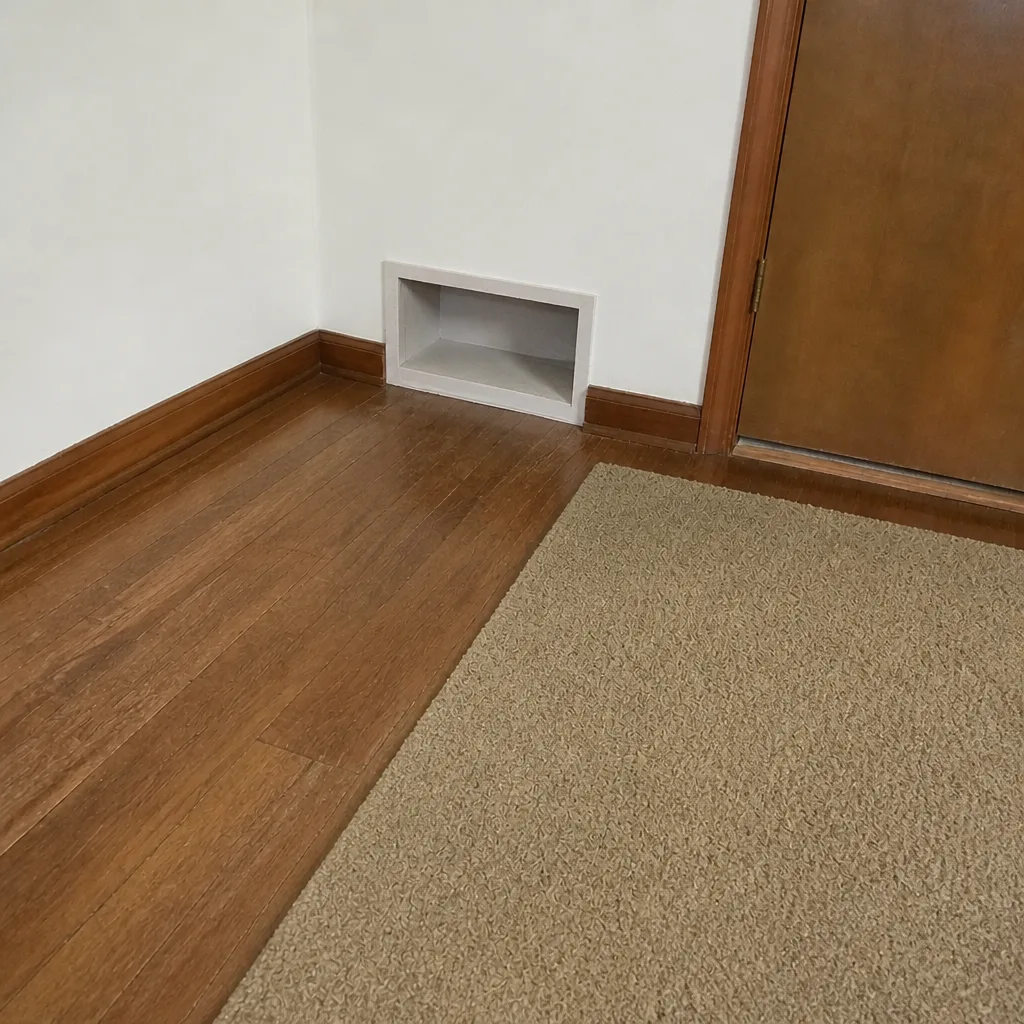
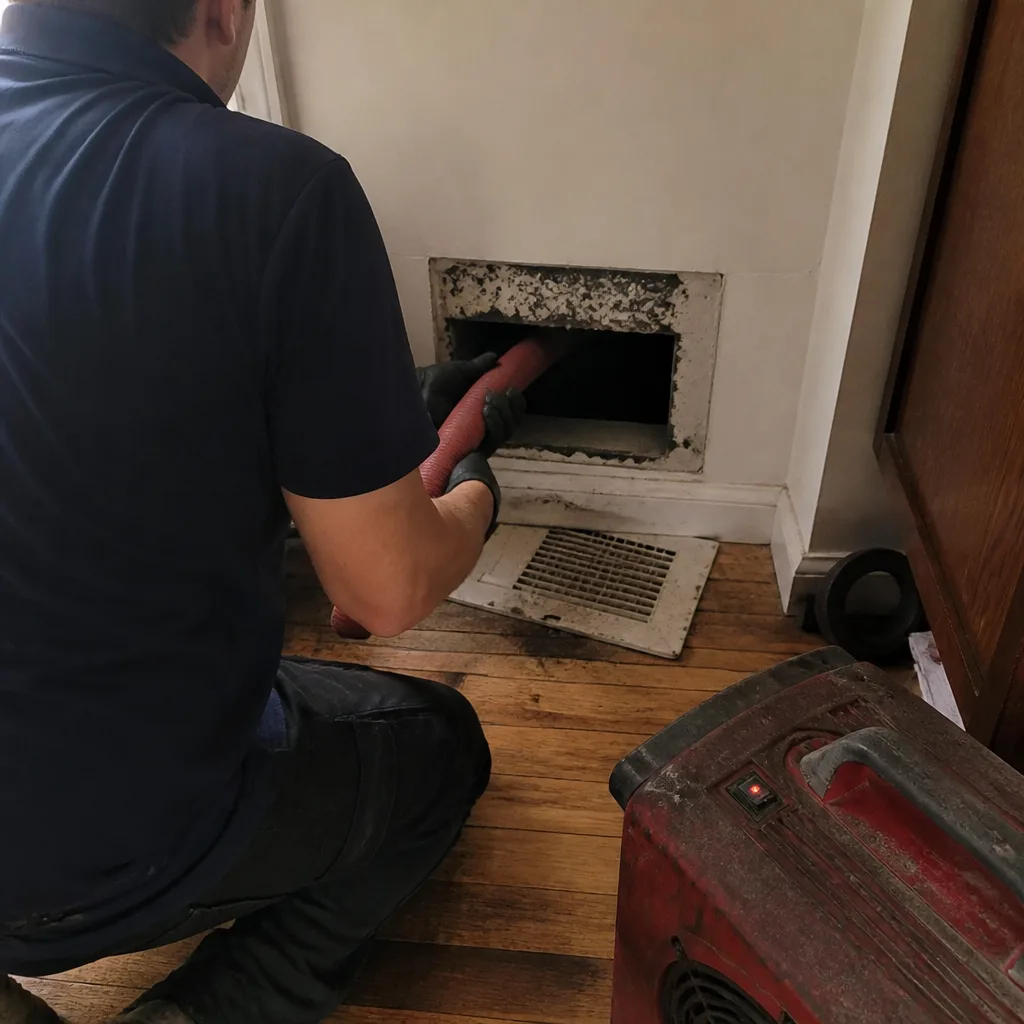
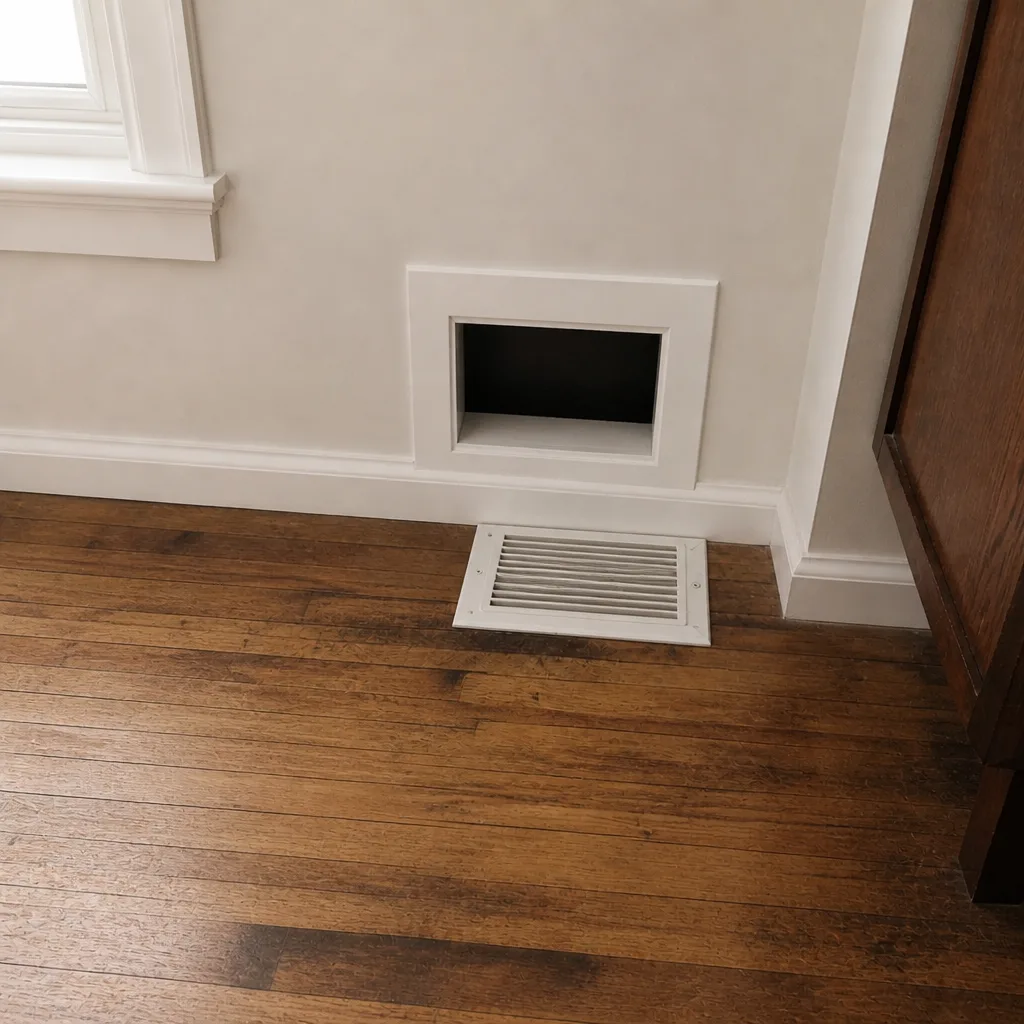
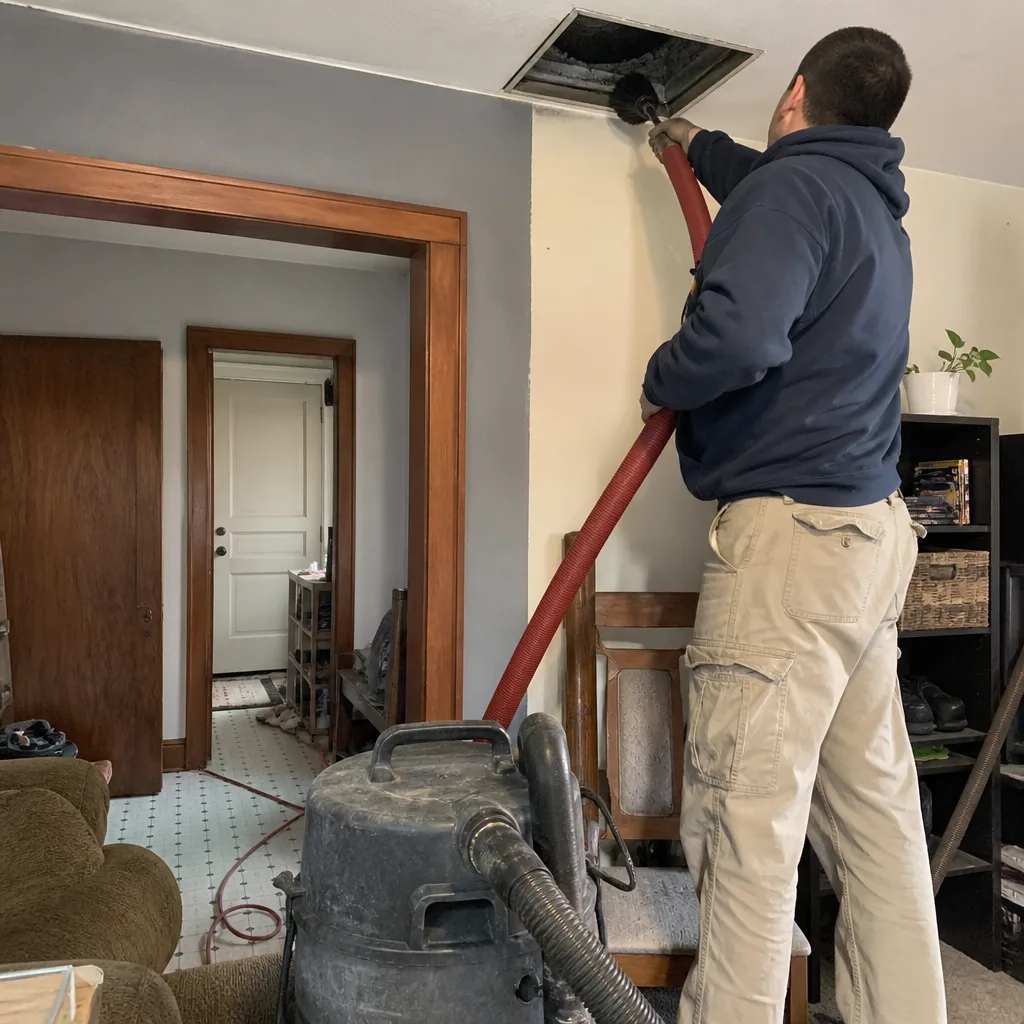
See the difference
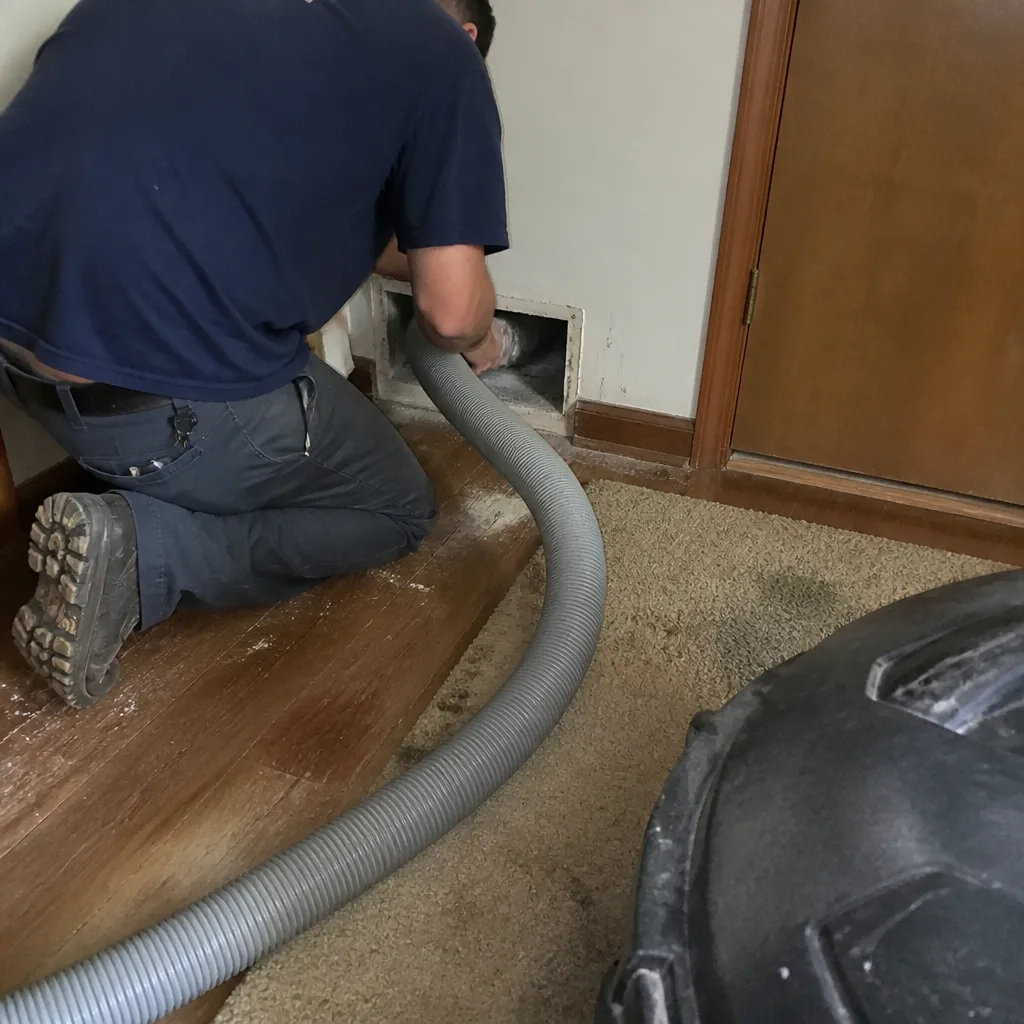 Before
 After
 Before
 After
 Before
 After
When to Call a Professional
Call a professional duct cleaning provider when you notice visible debris blowing out of registers, a musty or stale smell that persists after you’ve cleaned the filters, or a recent move into an older South Bend home where you don’t know the duct history. Call if anyone in the household has allergy or asthma symptoms that seem worse indoors. Call if your HVAC system has been running with a missing or damaged filter for a stretch, or if you’ve recently had renovations that generated a lot of drywall dust and debris. And call if the dryer is taking noticeably longer than it used to heat or dry, because a clogged dryer vent is a fire concern that deserves attention from a professional.
Duct Cleaning South Bend offers free estimates in South Bend. Call (855) 905-0868. We answer 24/7. Fast dispatch from 7am to 7pm, Sunday through Friday.
Frequently Asked Questions
Pricing is quoted per job by a written estimate, based on the size and layout of the system, the number of branch runs, the condition of the ductwork, and whether repair work is needed. We don’t quote a single price sight-unseen over the phone, because a system in an old Near Northwest home carries different scope than a newer build in Granger. The written estimate is the price. Call (855) 905-0868 for an exact quote; estimates are free.
Cheap quotes usually reflect either a shorter visit with less equipment or a stated coupon price that doesn’t include containment, HEPA vacuuming, or repair. The low number isn’t the final number in those cases. A proper job carries a flat price agreed before the work starts, with no per-vent pricing games. Call (855) 905-0868 for an exact quote; estimates are free.
Before-and-after photos of your own ducts, taken at the same access points. That’s the only reliable proof. A contractor who can’t or won’t provide before-and-after photos is asking you to trust an unverified claim. Call (855) 905-0868 for an exact quote; estimates are free.
It varies by household. Homes with significant pet dander, recent renovation dust, or long-standing filter neglect tend to need it more frequently. Homes with newer ductwork and good filtration can go longer between services. The honest answer is that condition, not a fixed interval, sets the schedule. Call (855) 905-0868 for an exact quote; estimates are free.
Yes. Air duct repair is a core service, handled in the same visit when possible. Disconnected joints, collapsed flex duct, and failed liner are corrected on the spot rather than referred out. That’s one of the biggest reasons to choose a single-contractor scope. Call (855) 905-0868 for an exact quote; estimates are free.
Yes. We’re certified to work on and around those premium air quality systems, and the technicians understand how they integrate with the ductwork. A Honeywell or Aprilaire system is only as good as the ducts behind it, so compatibility matters if you’ve already invested in higher-end filtration or ventilation. Call (855) 905-0868 for an exact quote; estimates are free.
The Bottom Line
The name is not the equipment in the truck. When you’re comparing air duct cleaning contractors in South Bend, the questions that matter are specific: what agitation system, what vacuum, what containment, what happens if the ductwork needs repair. A contractor running Rotobrush, Nikro, and Abatement Technologies equipment with a containment-first process and duct repair on the same visit is running a different job than a shop vac and a brush. That’s the difference to shop for. Call (855) 905-0868. We answer 24/7. Fast dispatch from 7am to 7pm, Sunday through Friday. Estimates are free.
Written by the team at Duct Cleaning South Bend.