
Last updated November 16, 2026
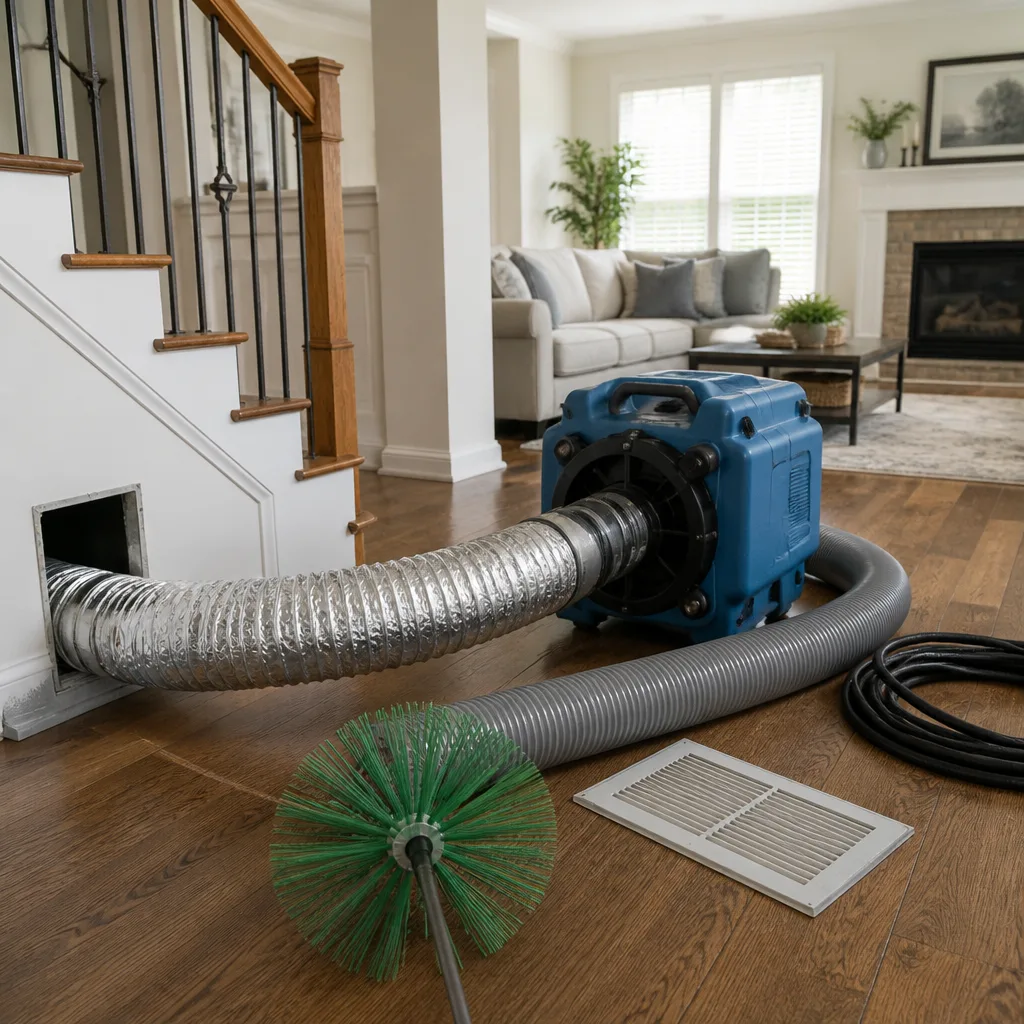 Whole-home duct cleaning
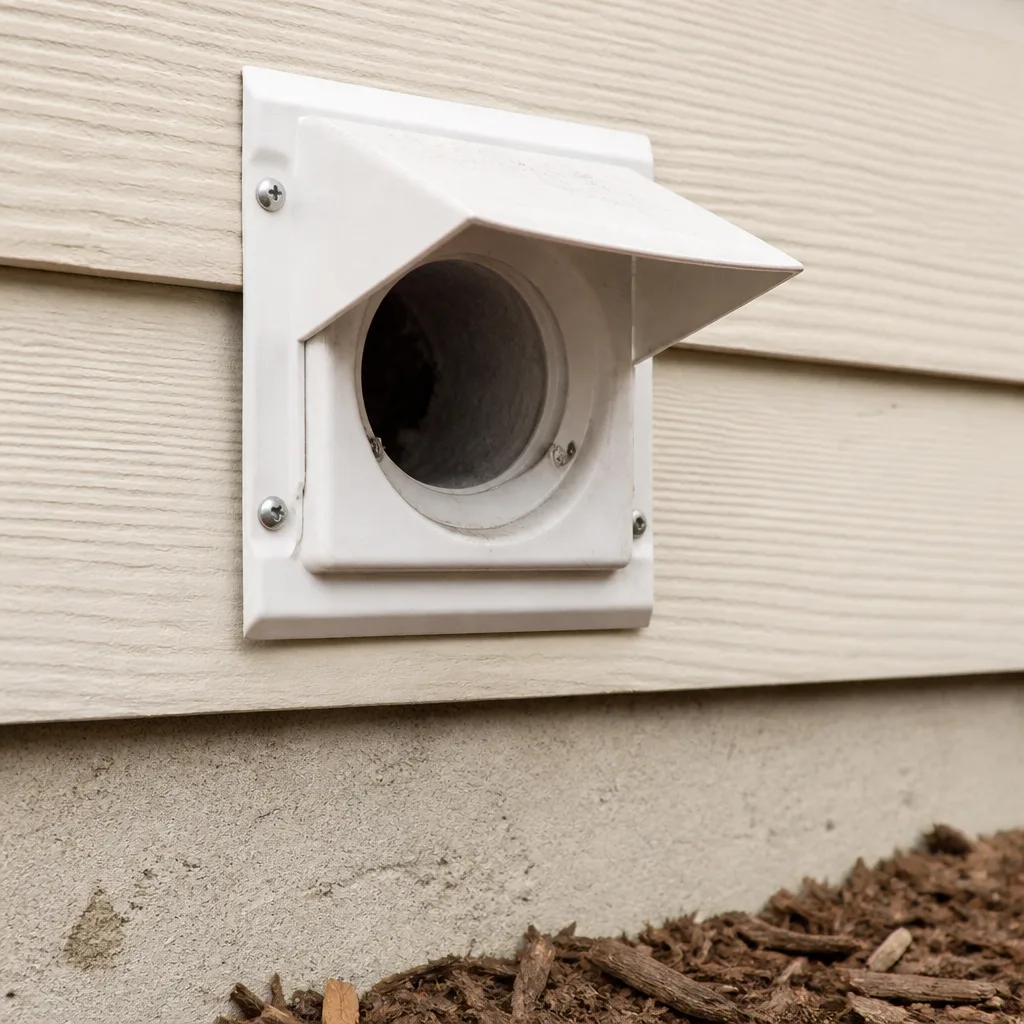 Dryer vent cleaning
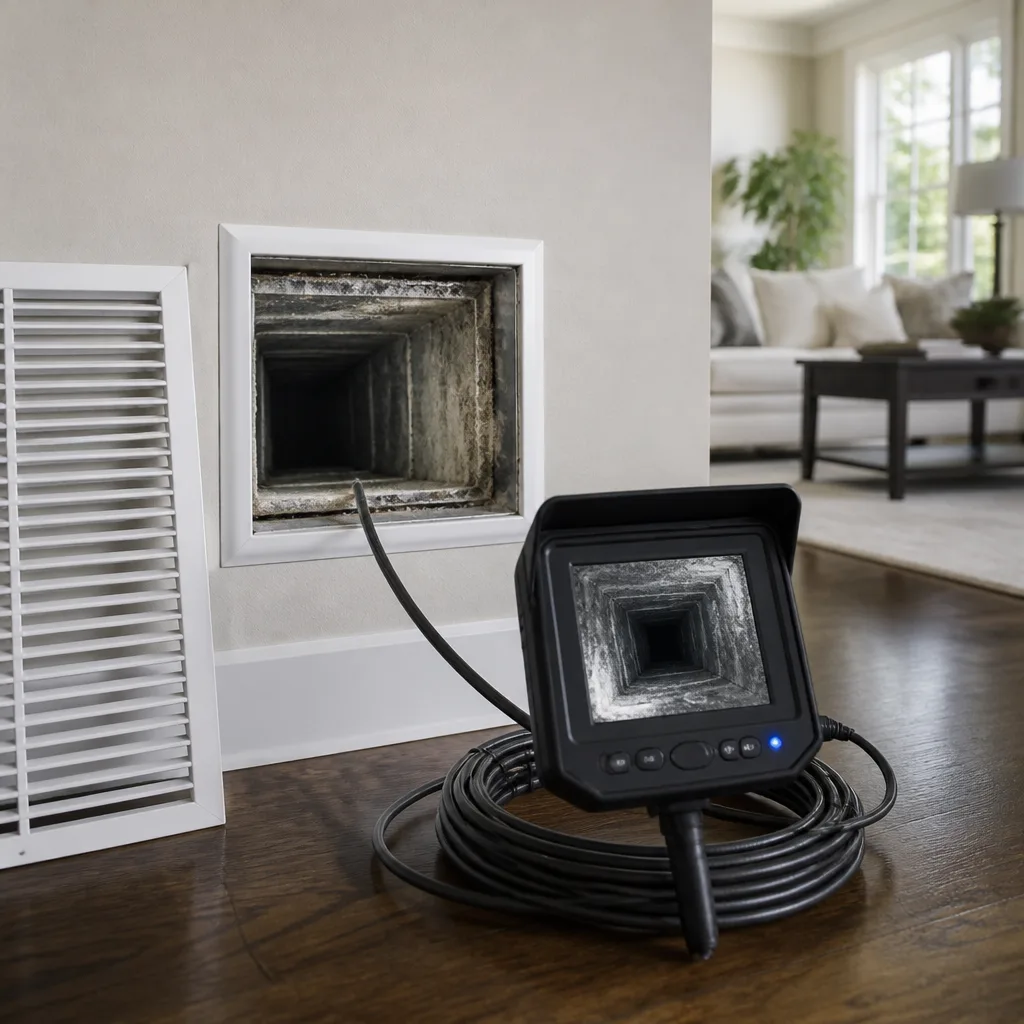 Camera inspection
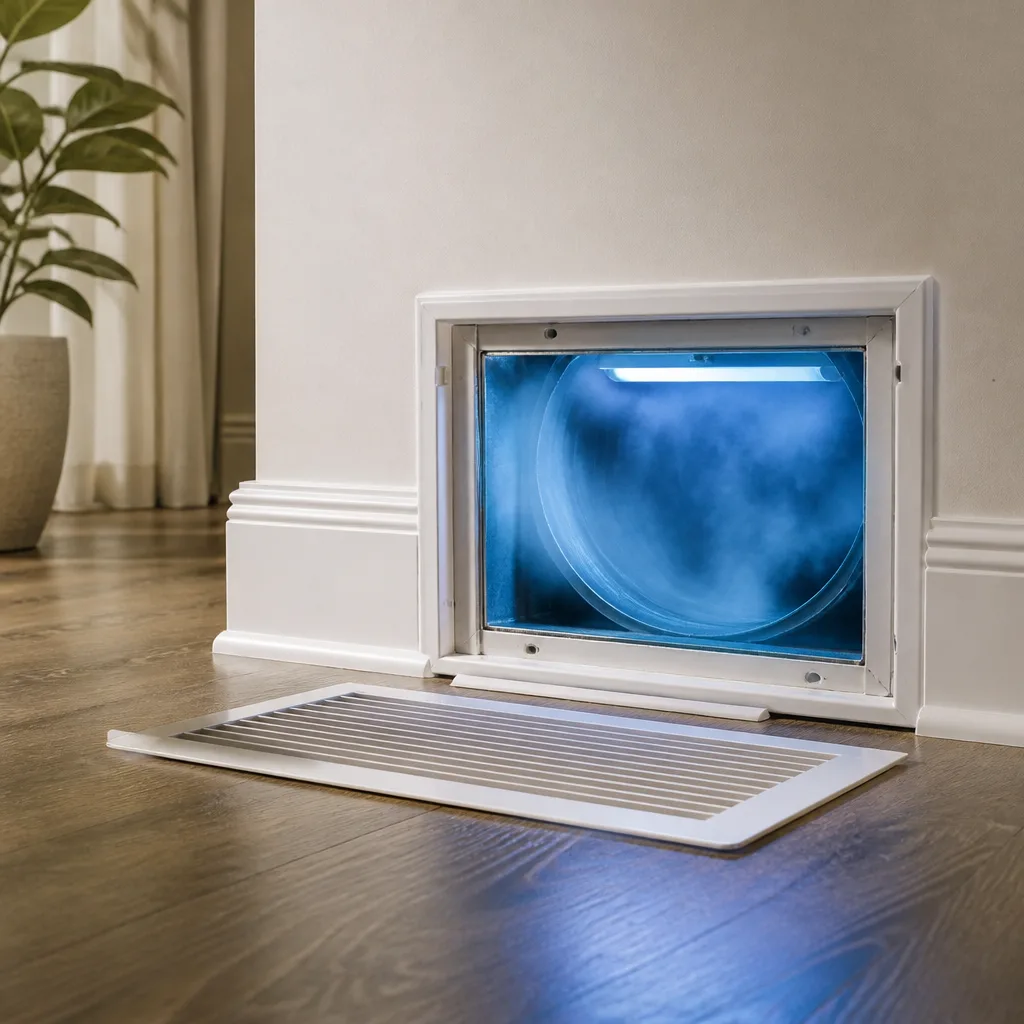 Sanitizing & deodorizing
Whole-system duct and dryer vent check with before-and-after photos - you see exactly what came out of your vents
That "$99 whole-house special" is a bait ad - the real number appears once they are in your hallway, or the "clean" is a shop-vac at the register. We photograph the inside of your ducts before and after instead.
Air Duct Cleaning Troubleshooting in South Bend: Common Problems and How to Fix Them
If your ducts were cleaned six months ago and your house still smells like a basement, the cleaning didn’t fail. Something else in your duct system did, and a second cleaning won’t fix it. That’s the uncomfortable truth most homeowners in South Bend run into: they call for a cleaning when the real problem is mechanical. A crushed flex run in a crawlspace, a joint that pulled loose, a damper stuck shut. Cleaning addresses dirt. It can’t address a duct that’s no longer shaped like a duct. This guide teaches you to match symptom to cause before you call anyone, so you can spend money on the fix that actually solves the problem.
Quick Answer
Most persistent air quality complaints in South Bend – recurring dust, uneven room temperatures, musty odors that return after a cleaning – trace back to a mechanical fault in the duct system rather than leftover debris. The three most common are collapsed or crushed flex duct, disconnected joints, and failed dampers. A camera inspection, pressure testing, and a simple room-by-room airflow comparison will tell you whether cleaning, repair, or both is the correct answer.
Styles & brands we work with
- Whole-home duct cleaning
- Dryer vent cleaning
- Camera inspection
- Sanitizing & deodorizing
Table of Contents
- Why Symptom-to-Cause Mapping Beats Re-Cleaning
- Cleaning Problem vs. System Problem: How to Tell the Difference
- The Hand Test: Using Register Airflow to Locate a Broken Duct
- What Persistent Musty Smell After Cleaning Really Means
- How South Bend’s Freeze-Thaw Cycles Damage Exterior Duct Runs
- When Troubleshooting Crosses from Cleaning into Repair
- The Tools That Confirm the Diagnosis
- What Prevents These Problems from Coming Back
Why Symptom-to-Cause Mapping Beats Re-Cleaning
The reflex when air quality problems persist is to blame the cleaning and schedule another one. In our experience, that’s rarely the right move. Duct cleaning removes surface contamination. It does not restore a failed seal, reshape a crushed run, or reopen a damper stuck in the closed position. If your complaint is airflow, odor, or uneven temperatures, cleaning addresses only one of several possible causes.
South Bend homes add a layer of complexity. A large share of the housing stock is older, and duct systems built decades ago have often been modified piecemeal – a flex run spliced in during a remodel, a trunk line capped when an addition went on, a return added to convert a porch into a living space. Those modifications create exactly the weak points where mechanical failures show up first. A duct system that was originally designed for one floor plan may now serve a very different layout.
Before scheduling a cleaning, walk through your home and write down the specific symptoms:
- Which rooms feel under-supplied or over-supplied with air?
- Is the dust concentrated in one area or distributed evenly?
- Does the odor appear only when the furnace or AC runs?
- Is the smell musty, chemical, or simply “stale”?
- Did the problem appear suddenly or slowly over months?
That list is diagnostic. A single cold room points to a delivery problem. Uniform dust points to a filtration or residual cleaning issue. Odor only when the blower runs points to the coil, the liner, or the plenum. You don’t need to know which part is broken – you need to narrow the category. A professional who arrives already knowing the category can confirm in one visit what a generic cleaning crew would clean around and leave untouched. This is the framework behind well-structured Duct Cleaning South Bend diagnostics: identify the fault, then decide whether cleaning or repair is the correct scope.
Cleaning Problem vs. System Problem: How to Tell the Difference
A cleaning problem leaves debris behind. A system problem means the equipment itself has failed – collapsed flex duct, disconnected joint, failed damper, sealed-off register. The two produce different symptoms in different places, and that difference is your fastest diagnostic clue.
Signs of a Cleaning Problem (Residual Debris)
- Dust settles evenly across all rooms over weeks, not concentrated in one zone
- Registers show visible dust on the grille face but airflow is strong
- No odor unless the system has been off for a long time
- Filtration performance improves noticeably when you upgrade the filter
- Problems began after a renovation, not after a cleaning
Signs of a System Problem (Mechanical Failure)
- One or two rooms lose airflow while the rest stay normal
- Persistent musty smell that returns within weeks of cleaning
- Banging, hissing, or whistling noises at a specific register
- Dust blowing out of a return rather than being drawn in
- Condensation or staining around a register boot
- Temperature swings of more than a few degrees between adjacent rooms
The key distinction: a cleaning problem is uniform, a system problem is localized. If your complaint is “the whole house feels dusty,” a cleaning or filtration fix usually applies. If it’s “the back bedroom never gets cold air,” something mechanical is broken in that branch of the duct system. A crushed flex run behind drywall, a damper accidentally left closed during a remodel, or a joint pulled apart during a previous HVAC service will all produce that exact symptom.
The trap most homeowners fall into is paying for a second cleaning when the first cleaning didn’t solve a problem the cleaning was never designed to solve. In South Bend, where older homes frequently have duct systems that have been modified several times, that trap is common. Ask the technician up front: is this a cleaning scope or a repair scope? A qualified one will tell you before you pay.
The Hand Test: Using Register Airflow to Locate a Broken Duct
You can locate a disconnected or crushed duct section before you call anyone, using nothing more than your hand and a few minutes at each register. This is a room-by-room comparison, not a measurement – you’re looking for rooms that stand out as abnormally strong or abnormally weak compared to the rest of the house.
How to Run the Hand Test
- Turn the system to fan-only mode. Heating or cooling will add delay and make comparisons harder. Most thermostats have a “fan on” setting.
- Start in the room closest to the furnace. Hold your palm flat against the register grille at a consistent distance, roughly a hand’s width away.
- Move room to room, keeping the same hand and the same distance. Rate each register as strong, normal, weak, or nothing.
- Note the outliers. A register with no detectable airflow at all is a strong signal of a disconnected or fully crushed duct.
- Note the over-performers. A register that blows noticeably harder than everything else often means the air that should reach another room is dumping out early through a broken joint.
- Walk the return side too. A return with weak suction or one that blows air out instead of drawing it in indicates a disconnected return duct.
What you’re looking for is a pattern. If every register in the house is weak, the problem is likely at the air handler – a failing blower, a clogged filter, or a blower door that’s come loose. If one zone is dead while the rest is fine, the fault is in that branch. If a single register is unusually strong while the room next door is weak, you’re likely looking at a broken joint between them, letting air escape into a wall cavity or crawlspace.
The hand test won’t tell you exactly what’s broken. It will tell you which branch of the system the technician should inspect first. That saves diagnostic time on the visit, and it also protects you from being sold a whole-system cleaning when the real issue is one disconnected run. One caution: do not open registers or remove grilles to reach inside the duct. Sheet metal edges are sharp, and older duct systems often contain fasteners, mastic residue, and insulation fragments that can cut. Confirm airflow at the surface and let the inspection be done with proper tools.
What Persistent Musty Smell After Cleaning Really Means
A musty smell that returns within weeks of a cleaning almost always means the source wasn’t in the ductwork itself. The most common culprits are microbial growth on fiberglass duct liner and biological contamination on the evaporator coil. Both require a different intervention than a standard cleaning, and neither is fixed by running the equipment a second time.
Duct Liner Growth
Fiberglass-lined duct runs – common in older South Bend homes, particularly on interior trunk lines – trap moisture on the liner’s textured surface when the system runs cold in humid weather. Once moisture settles into the liner, biological growth becomes a persistent source of odor that releases every time the blower runs. Cleaning can reduce the visible contamination, but if the growth has soaked into the liner material itself, resurfacing or replacement may be the correct fix. This is whereair duct cleaning alone hits its limit and the conversation shifts to repair or liner treatment.
Coil Contamination
If the odor appears only when the air handler is running, and disappears when the fan is off, the evaporator coil is a strong suspect. Coils collect dust, condensation, and biological material over time, and once growth takes hold on the coil surface, no amount of duct cleaning touches it. The coil needs to be cleaned separately, often with the plenum opened for proper access. A technician who identifies a coil problem during a duct cleaning and can address it in the same visit saves you a second appointment.
What the Odor Profile Tells You
- Musty, earthy, basement-like: usually liner growth or coil contamination
- Dirty sock or gym bag: typically biological growth directly on the coil
- Dusty and stale but not biological: residual debris or filtration failure
- Chemical or sweet: refrigerant or combustion odor – stop using the system and call for diagnosis
The reason this matters: if you treat a coil problem with a duct cleaning, the smell comes back, and you lose confidence in the original work. If you treat a residual debris problem with a coil cleaning, you’ve paid for a service you didn’t need. Getting the diagnosis right before the truck pulls in is the entire point of this exercise.
How South Bend’s Freeze-Thaw Cycles Damage Exterior Duct Runs
South Bend winters are hard on any duct run that leaves the conditioned envelope of the house. Duct runs routed through unheated crawlspaces, garages, knee walls, or uninsulated attics go through dozens of freeze-thaw cycles every year. Each cycle puts stress on tape seals, mastic joints, and flexible duct insulation, and the failure shows up as cold-air infiltration into the duct stream.
What Actually Happens
- Warm air in the duct keeps the outer jacket above freezing while the system runs.
- When the system cycles off, condensation forms on the cold-side surfaces.
- A hard freeze expands trapped moisture and works loose the tape or mastic at the joint.
- The next thaw lets air and moisture back into the gap, widening it.
- Over several seasons, a small tape failure becomes a fully disconnected joint.
The result is a duct run that leaks supply air into the crawlspace or draws unconditioned air into the return. In South Bend you’ll often notice this in winter as a room that runs cold no matter how high you set the thermostat, or as increased heating costs without a noticeable change in comfort elsewhere. The system is working hard, but a portion of the output is going into the crawlspace instead of the living room.
Visual Signs to Look For in the Crawlspace
- Flex duct outer jacket that’s torn, split, or hanging loose
- Tape that’s dried, cracking, or peeling away at a joint
- Mastic that’s chipped off a sheet metal fitting
- Duct sections sagging or resting on the ground or debris
- Insulation that’s soaked, matted, or covered in frost during cold snaps
- Pest damage to the flex jacket – chewed edges are a common sign
If you see any of these, the duct doesn’t just need cleaning – it needs resealing or replacing. The right move in many cases is a repair visit that reseals the joint, replaces the run, or both. In South Bend’s climate, a duct repair done in spring is often what prevents a cold-room complaint the following winter.
When Troubleshooting Crosses from Cleaning into Repair
The single most useful distinction in this guide: some problems are cleaning scope, and some are repair scope. A technician who only cleans will either ignore a repair problem or refer it out. That leaves you coordinating two contractors and often paying for a cleaning that leaves the real fault untouched.
Questions That Define the Scope
- Is anything in the system structurally compromised? Crushed flex, disconnected joints, and collapsed runs are repair scope, full stop.
- Is airflow the complaint, or is contamination the complaint? Airflow points to repair. Contamination points to cleaning.
- Is the problem localized or whole-house? Localized means a specific broken component. Whole-house means a dirt or filtration issue.
- Does the odor return after cleaning? If yes, the source wasn’t in the duct surfaces and repair is likely needed.
- Is there evidence of moisture intrusion? Moisture in a duct system is a repair problem even when it presents as a cleaning problem.
Companies that offer both cleaning and repair under one roof – which is what we do at Duct Cleaning South Bend – can resolve most of these in a single visit. That matters because the boundary between cleaning and repair is often discovered mid-job. A camera inspection during cleaning may reveal a disconnected joint in a run that looked fine from the outside. When cleaning and repair are the same visit, the fix happens immediately. When they’re two contractors, the cleaning finishes, the homeowner waits for a second appointment, and the actual system fault sits unfixed for weeks.
Air duct repair isn’t a side service for us – it’s a core part of the work. Cleaning without repair capability leaves half the job undone when the system has a mechanical fault. Call it what it is: a homeowner pays twice for the same diagnosis if the first crew can’t fix what they find.
The Tools That Confirm the Diagnosis
You can narrow the problem to a category with the hand test and a walk-through of your registers. Confirming it requires proper inspection equipment, and that’s the point at which a professional visit pays for itself.
Camera Inspection
A duct camera lets a technician look inside a run that’s hidden behind drywall, insulation, or a finished ceiling. It’s the only direct way to confirm a crushed flex section, an internally collapsed liner, or a joint separated inside a wall cavity. Without a camera, a technician is working from symptoms alone – and that’s exactly where a diagnosis can drift into guesswork. A camera inspection takes minutes and ends the guesswork.
Pressure Testing
Pressure testing – sometimes called duct leakage testing – measures how much air the system loses between the air handler and the registers. It confirms whether the complaint is a delivery problem or a dirt problem. If more than a reasonable share of measured airflow is escaping before it reaches the last room, no amount of cleaning will restore comfort to that room. Leakage testing is the objective measurement that separates “we should clean this” from “we should repair this.”
Containment and Vacuum Equipment
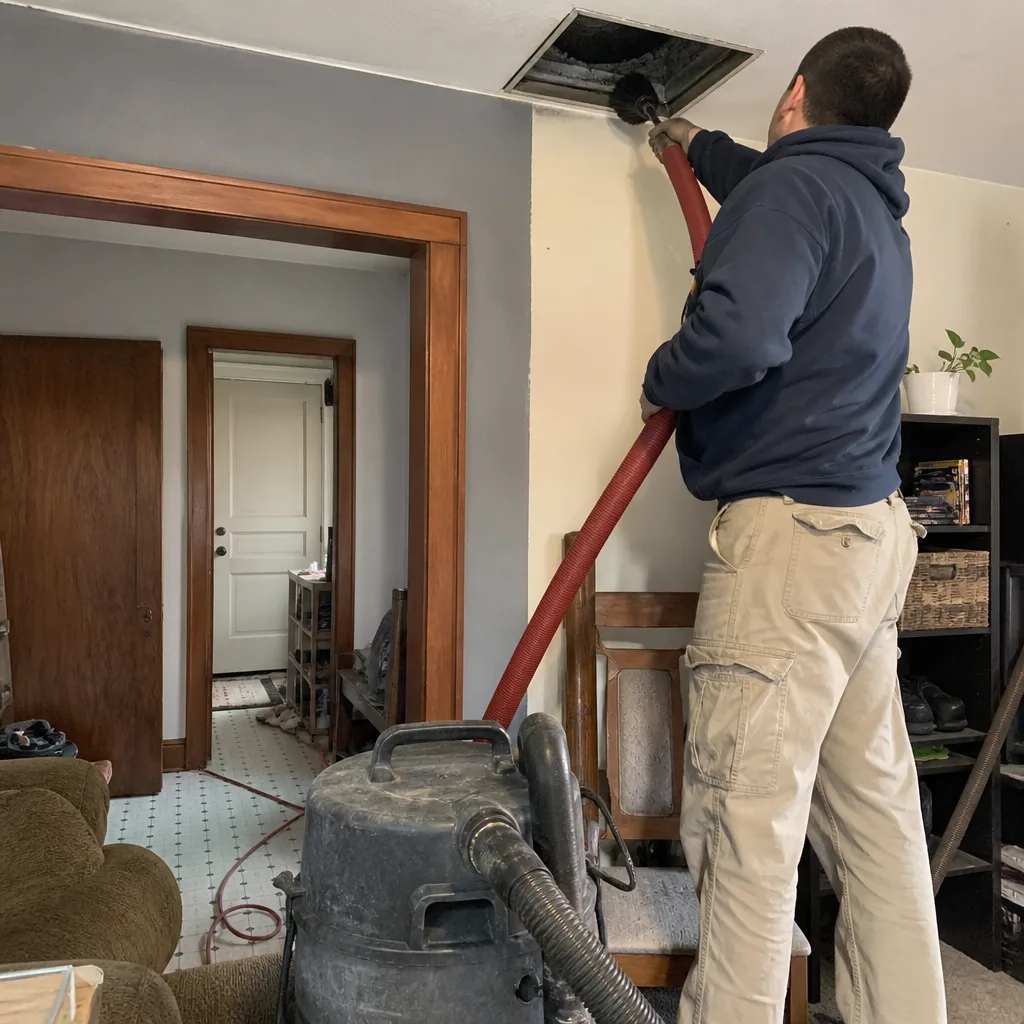
Once the diagnosis is made, the work needs the right tools. Professional operators use dryer vent cleaning and duct work powered by equipment designed for the job – not a shop vac and a brush. Abatement Technologies containment equipment captures debris at the source instead of letting it redistribute into the room during cleaning. Rotobrush agitation systems break contamination off the duct wall, and Nikro HEPA-rated vacuum equipment collects it without exhausting fine particles back into the living space. That combination matters most for homeowners running premium filtration or ventilation systems, including Honeywell and Aprilaire equipment, whose performance depends entirely on what the ducts behind them deliver. A Honeywell or Aprilaire system is only as good as the ducts feeding it. If dust, debris, or a broken joint lets contaminants bypass filtration, the system can’t compensate.
What Prevents These Problems from Coming Back
Prevention comes down to four routine habits and one diagnostic check. None of them are exotic, and most take less time than a single service call.
- Change the filter on schedule. A clogged filter strains the blower and increases pressure on every joint in the system. Check it monthly and replace when loaded.
- Walk the crawlspace and attic once a year. Look for torn flex, peeled tape, chipped mastic, and sagging runs. Catching a small seal failure in summer prevents a cold-room complaint in January.
- Watch for water anywhere near the system. Moisture around the air handler, a register boot, or a crawlspace duct is the start of liner growth and coil contamination.
- Book an inspection every few years rather than a cleaning every year. An inspection finds mechanical problems early; a cleaning finds dirt. You want both, but on different schedules.
- After any remodel, have the ducts checked. South Bend homes frequently get duct modifications during additions and conversions, and the modifications are where failures start.
One more point for homeowners who own premium air quality gear: if you’ve invested in a Honeywell or Aprilaire filtration or ventilation system, the ducts behind it deserve periodic inspection. A leaky or dirty duct system will quietly undo the performance you paid for. Guardsman-grade protective products used during service help protect surrounding surfaces and finishes while the work is done, so an inspection or cleaning doesn’t leave a mark on trim or flooring.
Common Mistakes to Avoid
- Re-cleaning before diagnosing. If cleaning didn’t solve the problem the first time, a second cleaning almost never will. The fault is mechanical or on the coil or liner.
- Assuming uniform dust means the ducts are dirty again. Uniform dust after a cleaning usually points to filtration, not residual duct debris.
- Ignoring a single cold room. In South Bend, a room that never heats well in winter is a classic sign of a failed crawlspace duct seal, and it gets worse each freeze-thaw cycle.
- Treating a musty smell as a cleaning issue. Persistent musty odor after cleaning points to liner growth or coil contamination, not residual dust.
- Skipping the crawlspace walk. Most exterior duct failures are visible to the naked eye long before they become comfort complaints.
- Hiring a cleaner with no repair capability. If the crew can only clean, a mechanical fault discovered during the job has nowhere to go.
- Opening registers to check inside. Sheet metal edges, fasteners, and insulation fragments make this a genuine injury risk. Confirm airflow at the surface and leave the interior work to proper inspection tools.
See the difference
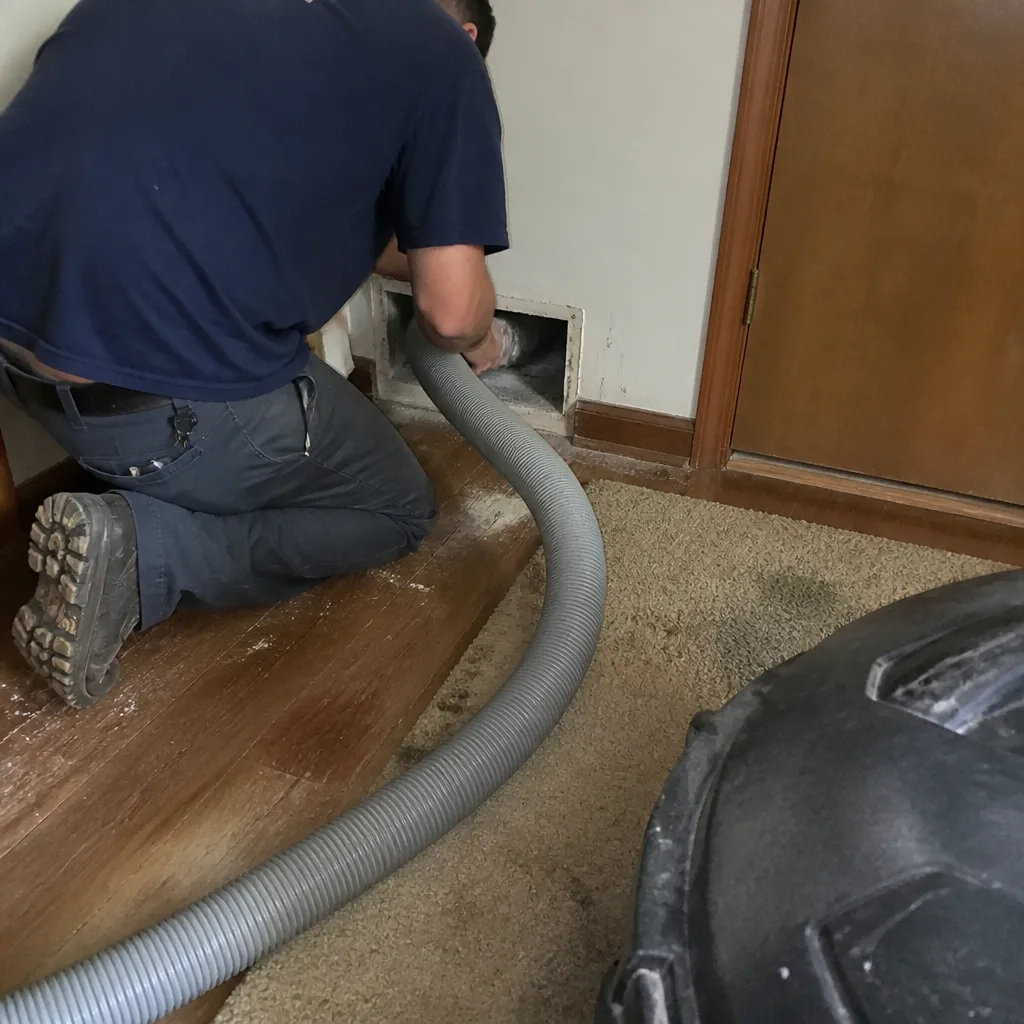 Before
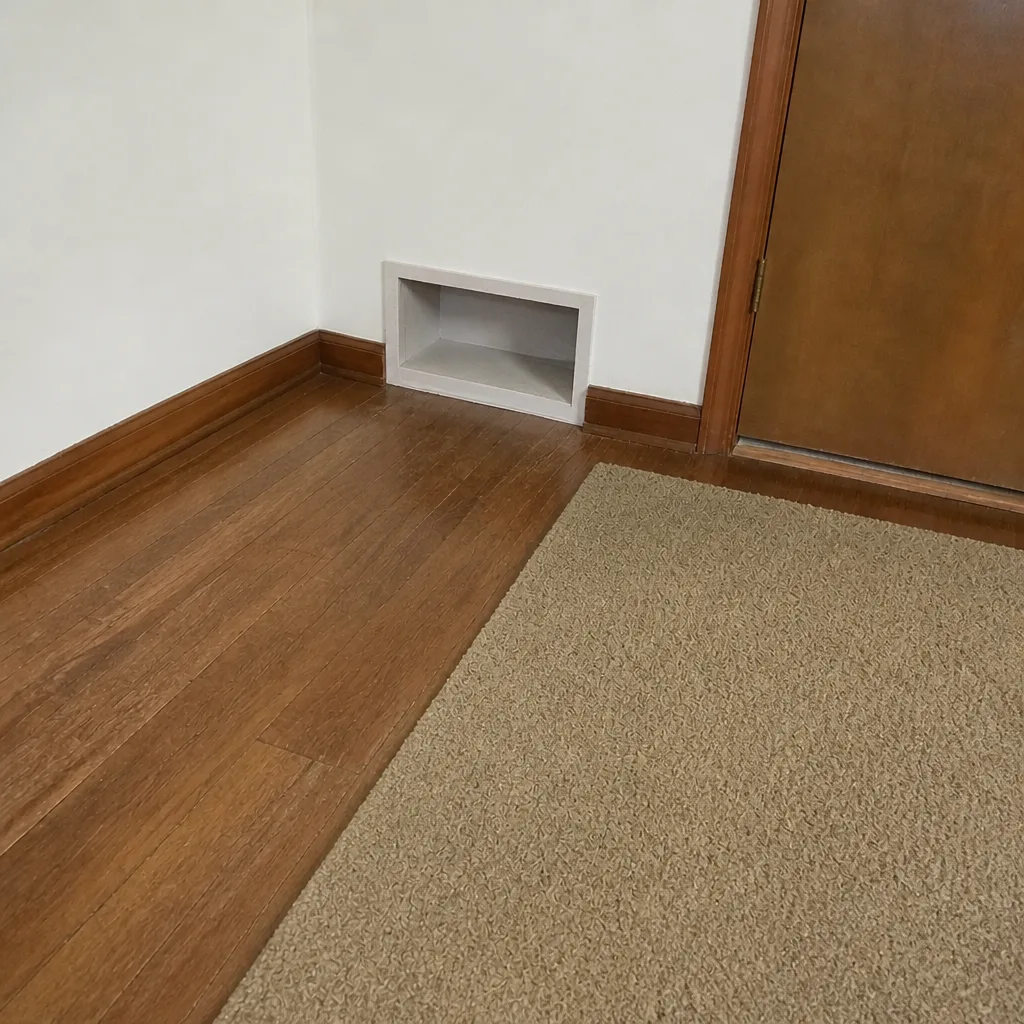 After
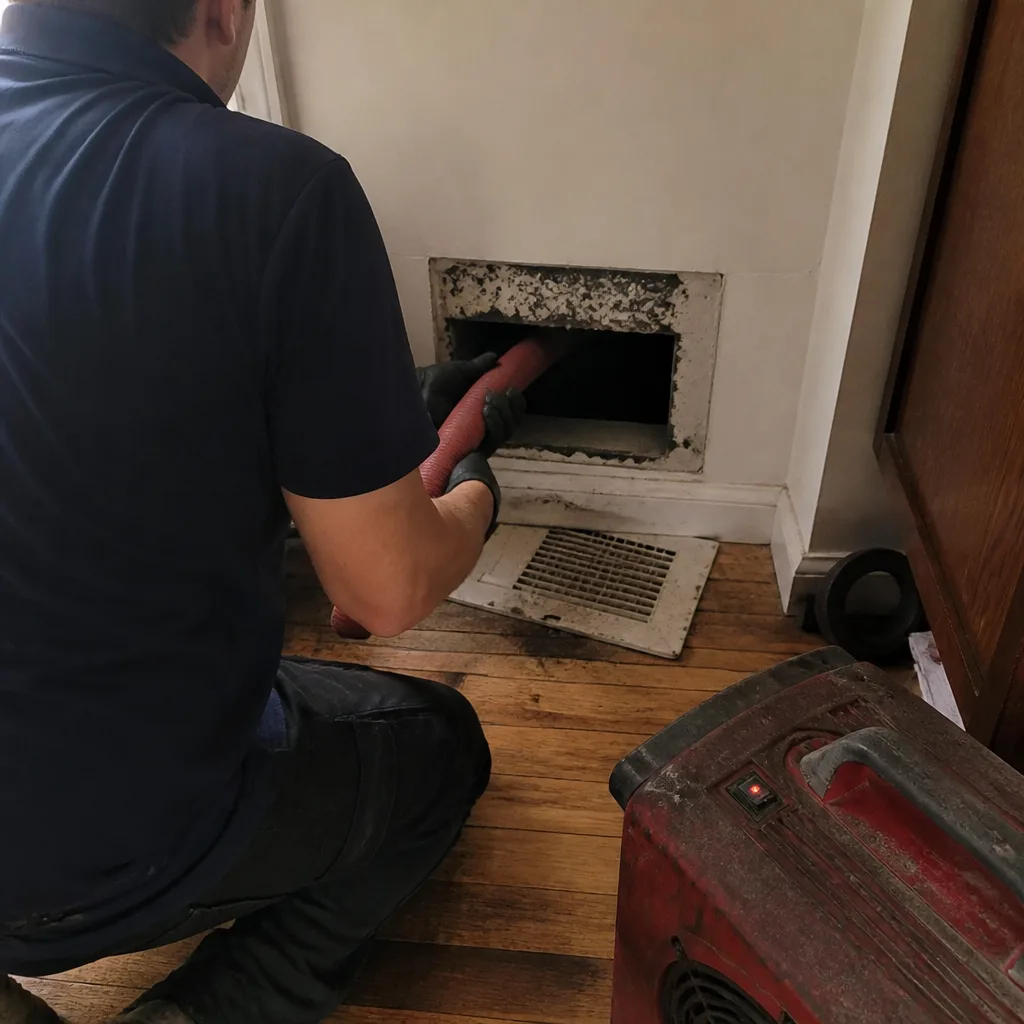 Before
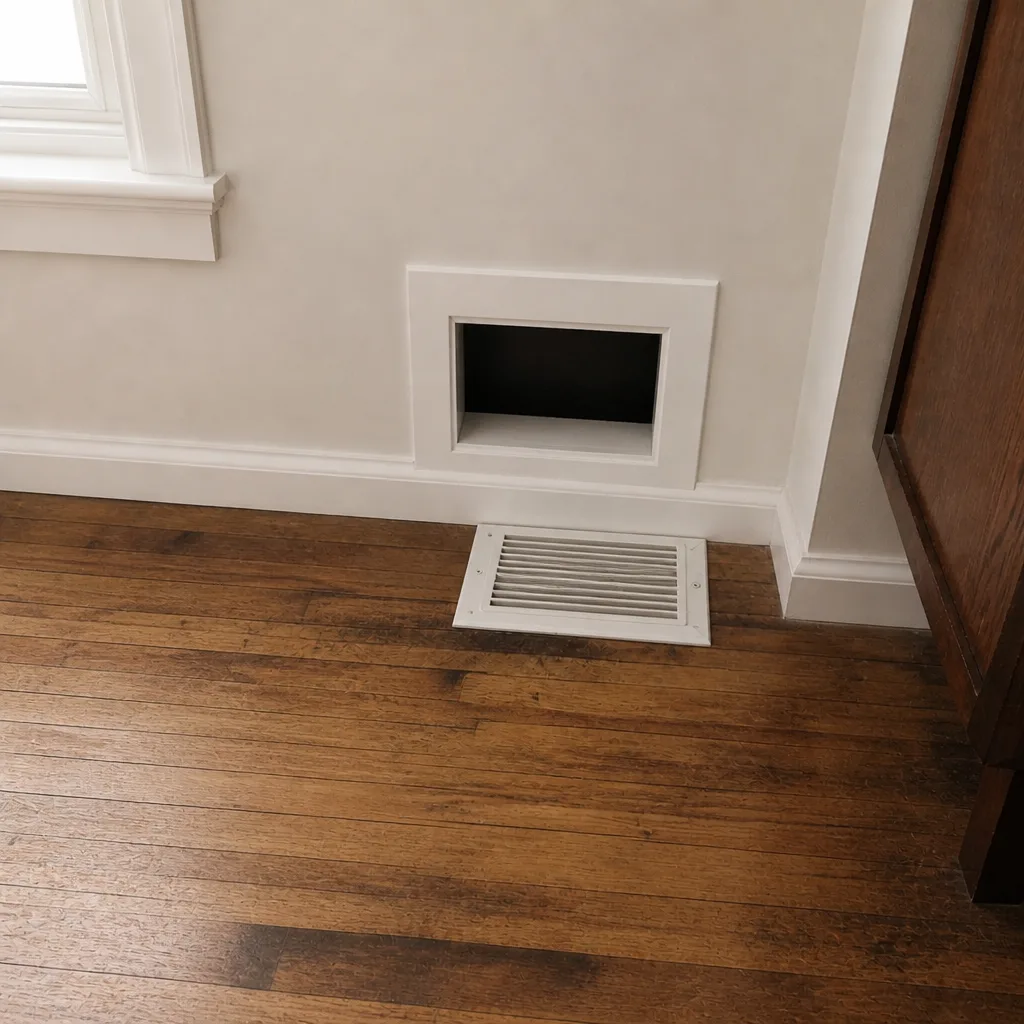 After
 Before
 After
When to Call a Professional
Call a professional when a single room or zone has lost airflow, when a musty smell returns within weeks of a cleaning, when you see torn flex duct or peeled tape in the crawlspace, or when the system hasn’t been inspected and you’re troubleshooting by symptom alone. Any of these is a signal that the problem should be diagnosed with a camera and pressure testing, not guessed at. If you’ve already had one cleaning and the problem persists, that’s the clearest call of all – something else is failing and it needs eyes inside the ductwork. Duct Cleaning South Bend offers free estimates in South Bend – call (855) 905-0868. We answer 24/7. Fast dispatch from 7am to 7pm, Sunday through Friday.
Frequently Asked Questions
Duct cleaning in South Bend is quoted as a whole-system price per job, not a per-vent charge, and the written estimate sets the final number. A typical estimate depends on the number of systems, the amount of accessible ductwork, and whether repair is needed alongside the cleaning. We come out, inspect, and give you a written price before any work starts – no coupon price that turns into a larger invoice once the technician is on site. Call (855) 905-0868 for a free estimate.
Lower quotes are usually based on a shorter, less thorough job – fewer runs cleaned, no containment equipment, no camera inspection, and no repair capability if a problem turns up. The tradeoff is that a cheap cleaning can leave the actual fault unfixed, which means paying for a second service. Ask any company what equipment they use, whether they use containment, and whether they can repair ducts if they find a disconnected or crushed run. The answer tells you what you’re paying for. Call (855) 905-0868 with questions about our scope.
Ask for before-and-after photos of your own ducts and, if a mechanical fault is found, the camera footage showing where the problem is. A crew using proper containment and HEPA-rated vacuum equipment will also show you what was captured from the system. We photograph the ducts we clean so you can see the change. Call (855) 905-0868 to schedule.
For most South Bend homes, cleaning every few years is reasonable, provided there’s visible debris on the duct surfaces and no mechanical fault. The more useful schedule is an inspection every couple of years and a cleaning only when the inspection justifies it. A system with healthy ducts and clean filtration doesn’t need annual cleaning. Call (855) 905-0868 for a diagnostic visit.
A musty smell that returns after cleaning almost always points to microbial growth on duct liner or the evaporator coil, not residual duct debris. Neither is fixed by re-cleaning. The liner or coil needs to be addressed directly, which may mean liner treatment, coil cleaning, or in some cases liner replacement. This is exactly the boundary between cleaning scope and repair scope – the earlier it’s identified, the faster it’s fixed. Call (855) 905-0868 for an inspection.
Usually not. A single under-supplied room in a South Bend home is more often a crushed flex run, disconnected joint, or closed damper than a dirt problem. Cleaning doesn’t reshape a duct or reseal a joint – repair does. If a room has been cold or warm for months regardless of thermostat setting, ask for a camera inspection and pressure test rather than a cleaning. Call (855) 905-0868 to book a diagnostic visit.
The Bottom Line
Persistent air quality complaints after a duct cleaning usually aren’t cleaning failures. They’re mechanical faults – crushed flex, disconnected joints, failed dampers – or contamination on liner and coil that cleaning can’t reach. The path to a real fix runs through diagnosis: symptom-to-cause mapping, a room-by-room hand test, and a camera and pressure test to confirm what’s actually broken. Once the diagnosis is right, cleaning and repair become a single visit instead of two. If you’re troubleshooting air duct problems in South Bend and the second cleaning hasn’t helped, that’s your signal to stop cleaning and start inspecting.
Call Duct Cleaning South Bend at (855) 905-0868 for a free estimate. We answer 24/7. Fast dispatch from 7am to 7pm, Sunday through Friday.
Written by the team at Duct Cleaning South Bend.