
Last updated November 16, 2026
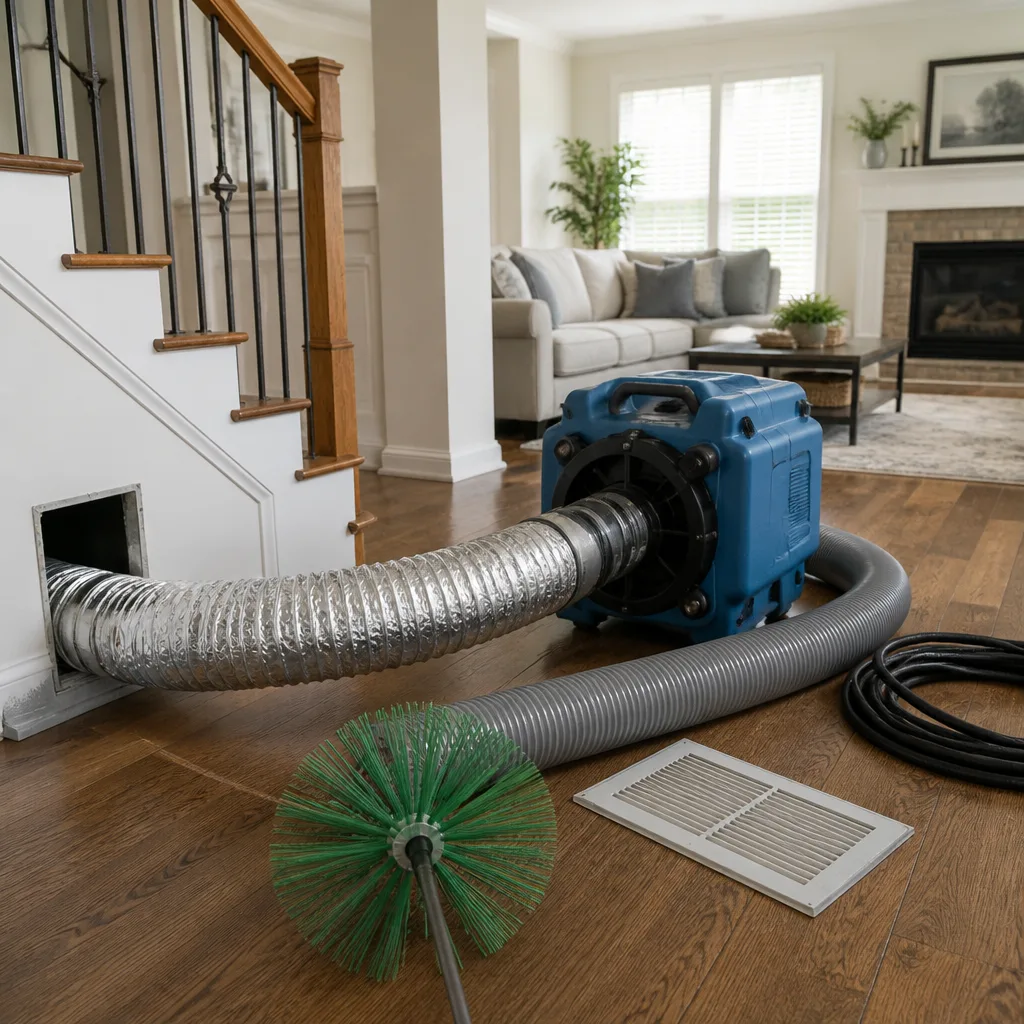 Whole-home duct cleaning
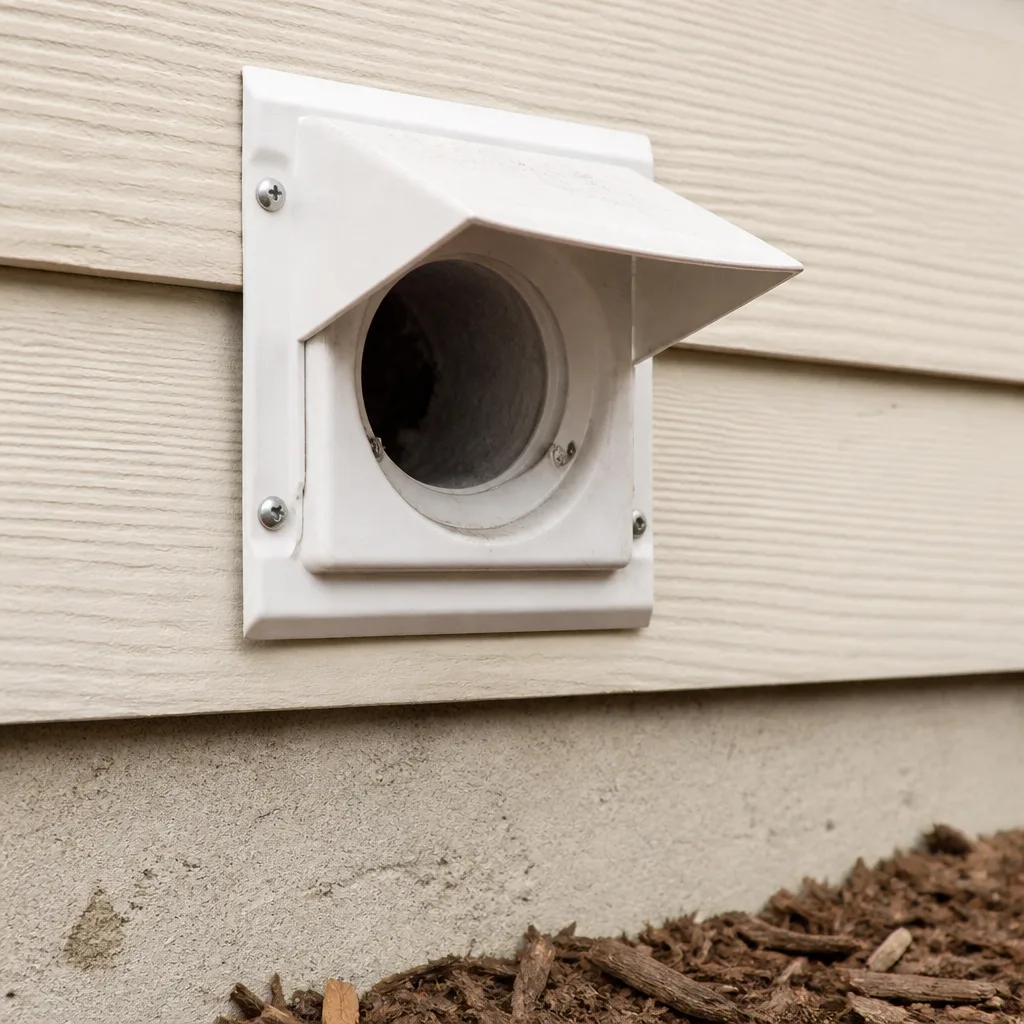 Dryer vent cleaning
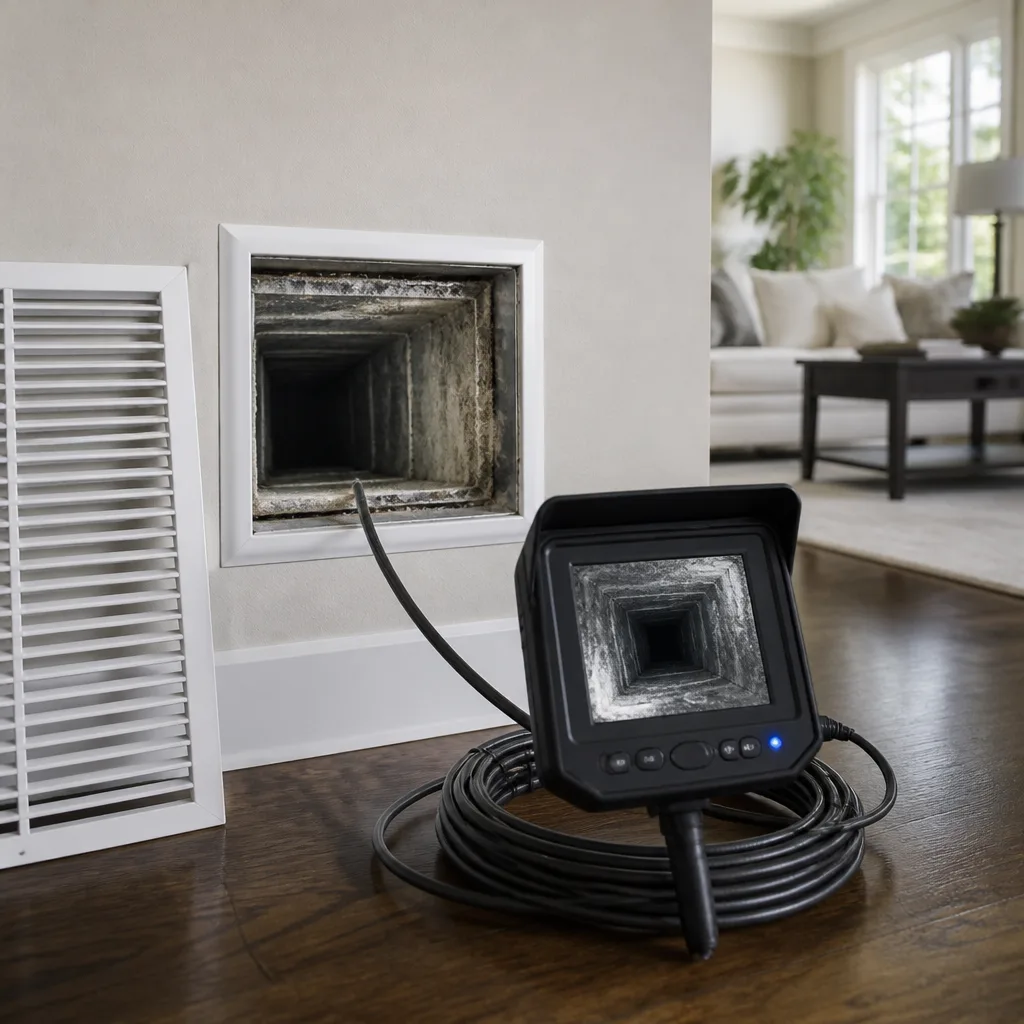 Camera inspection
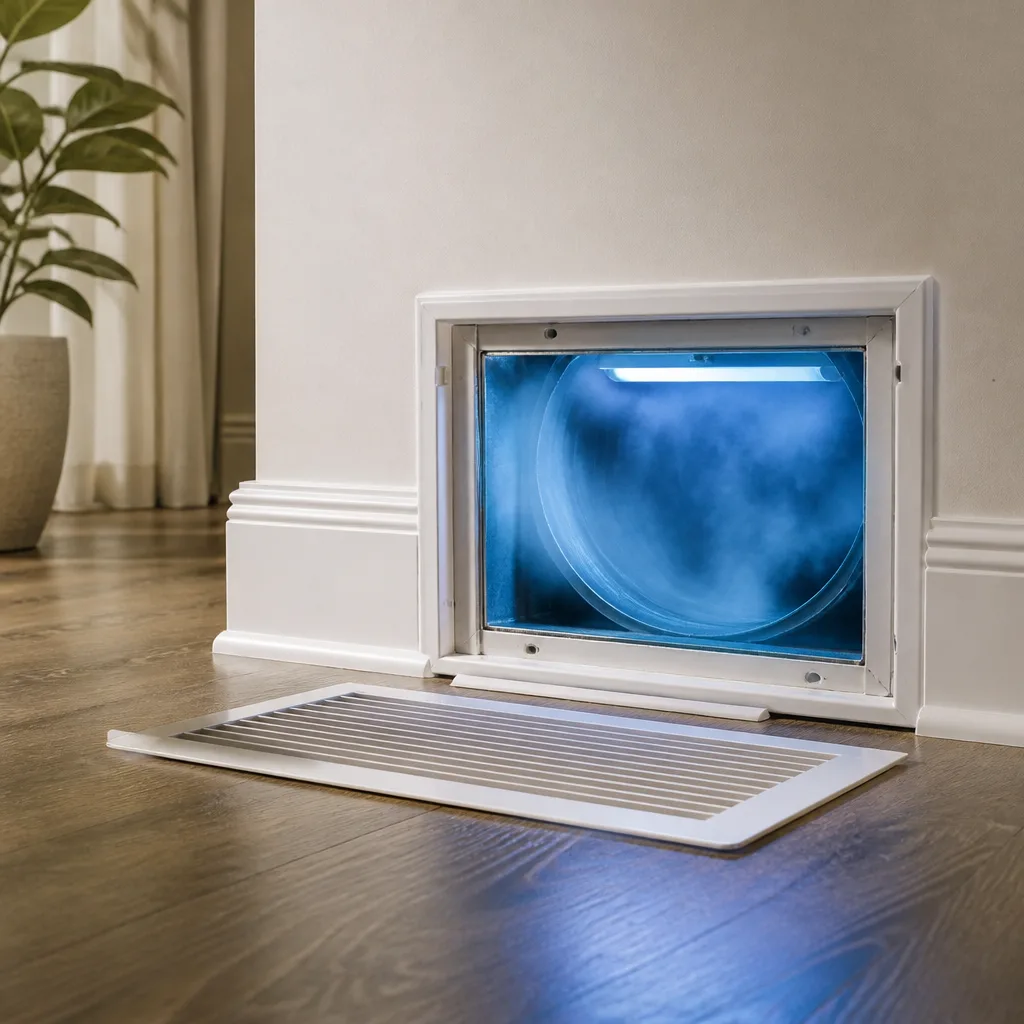 Sanitizing & deodorizing
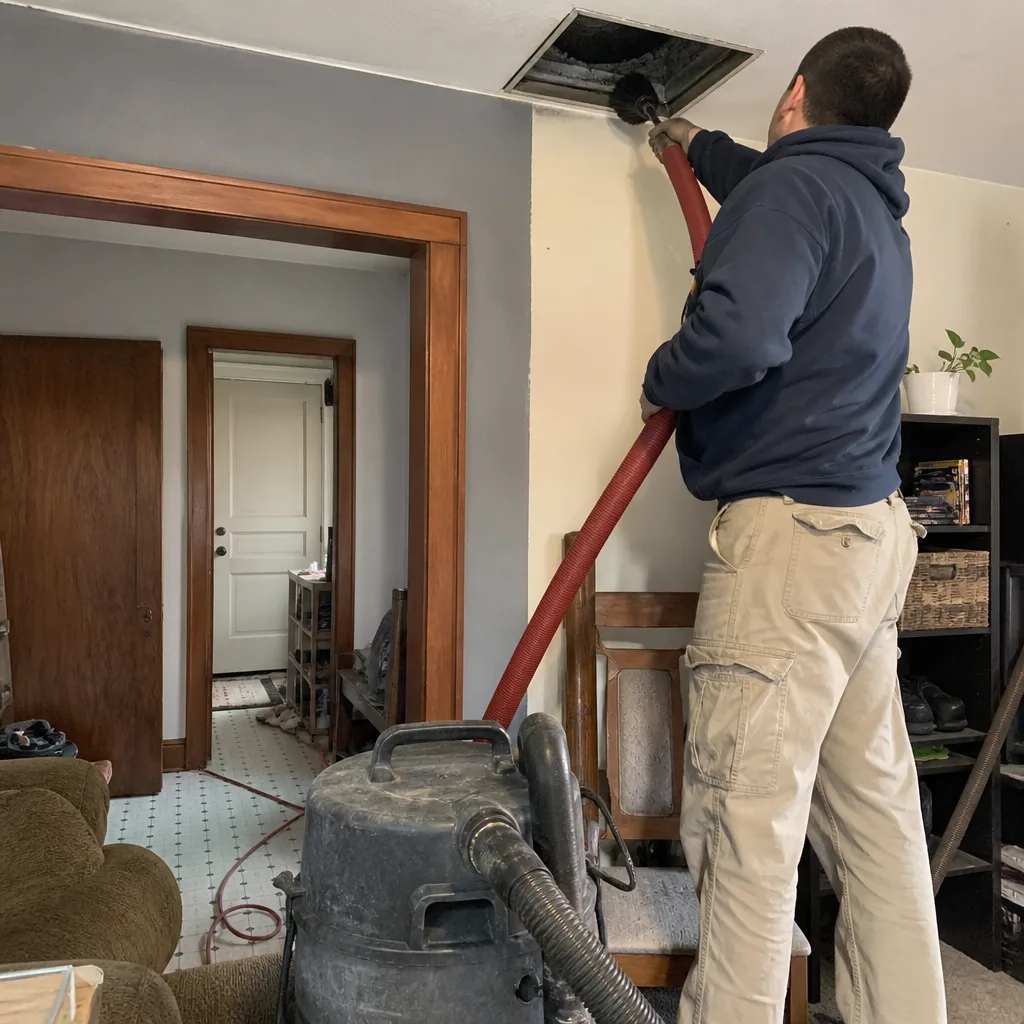
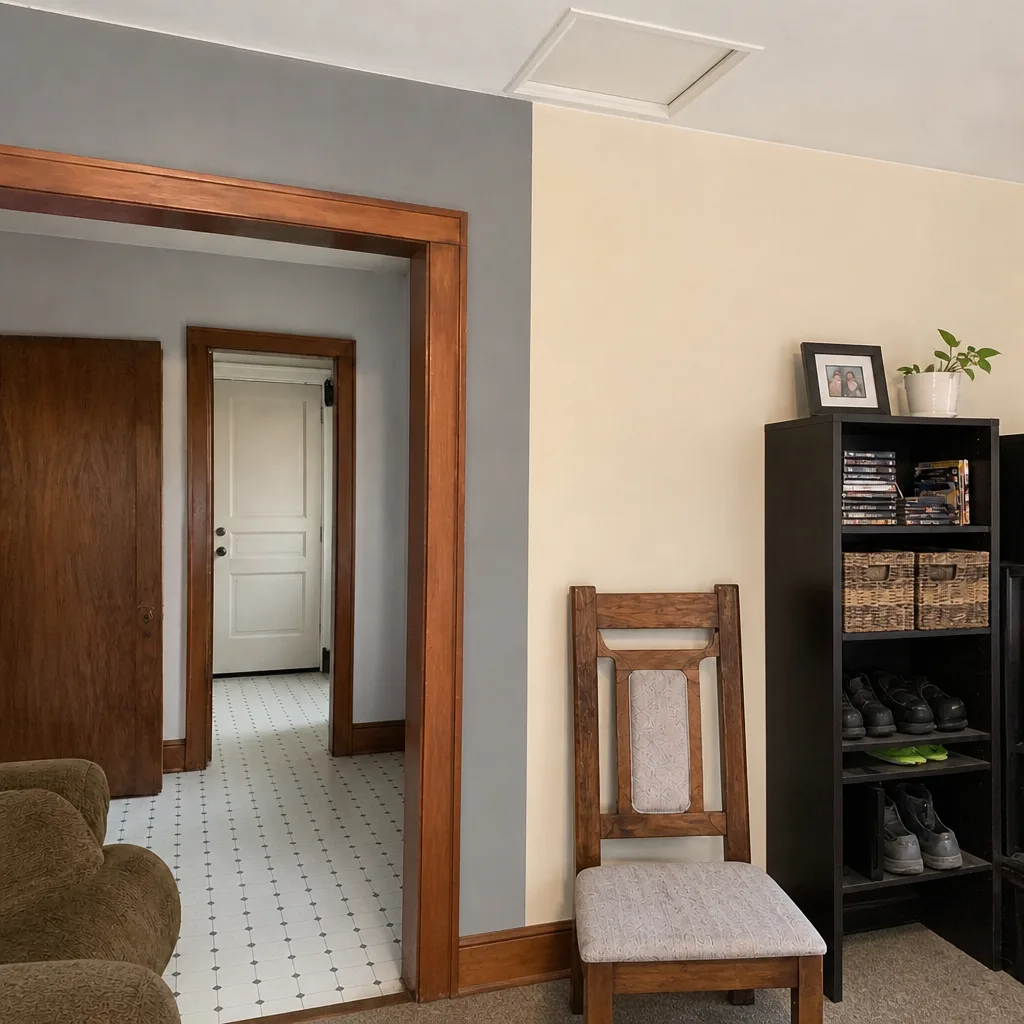
Whole-system duct and dryer vent check with before-and-after photos - you see exactly what came out of your vents
That "$99 whole-house special" is a bait ad - the real number appears once they are in your hallway, or the "clean" is a shop-vac at the register. We photograph the inside of your ducts before and after instead.
Air Duct Cleaning Maintenance Schedule: What to Do and When
The EPA’s oft-cited 3-to-5-year cleaning guideline was never meant to be a universal schedule. It was a floor, not a plan, and it was written before high-MERV filtration became standard in residential HVAC. Treating that number as your maintenance calendar means you’re reacting to dirty ducts instead of preventing them. A real schedule is built around your South Bend home’s age, how hard your system runs, and the quality of the filter in the return. In this guide we lay out a tiered calendar you can actually follow: monthly filter checks, an annual visual inspection, bi-annual coil checks, and clearly defined triggers for full cleaning. You’ll also learn why early fall beats spring for scheduling in South Bend, and how a single renovation resets the clock regardless of when you last had the work done.
Quick Answer
Most South Bend homes need filter checks monthly, a visual register and vent inspection once a year, coil inspection every two years, and a full duct cleaning every 3 to 5 years or whenever a specific condition trigger fires first. Homes running basic 1-inch fiberglass filters should lean toward the shorter end of that range, while homes with MERV-11 or higher filtration and sealed ductwork can push toward 5 years. Renovation, pest activity, visible debris at the registers, or a new-to-you older home all move cleaning to the front of the line regardless of the calendar.
Styles & brands we work with
- Whole-home duct cleaning
- Dryer vent cleaning
- Camera inspection
- Sanitizing & deodorizing
Table of Contents
- The Tiered Maintenance Calendar: Four Checkpoints That Actually Work
- Why Your Filter Rating Changes the Whole Schedule
- Scheduling by Season in South Bend: Why Early Fall Wins
- How Renovation Activity Resets the Clock
- Condition Triggers: When to Skip the Calendar and Call Now
- What a Post-Cleaning Inspection Report Should Document
- Repair vs. Clean: Where the Two Meet
- Common Mistakes to Avoid
The Tiered Maintenance Calendar: Four Checkpoints That Actually Work
A single cleaning interval is a reaction plan. A maintenance schedule is four checkpoints operating on different clocks, so a problem gets caught at the cheapest possible moment. Think of it as layering: the tighter the checkpoint, the cheaper the fix it catches.
- Monthly: filter check and replacement. Pull the filter, hold it to a light, and look for even gray loading across the media. A filter that’s uniformly gray is doing its job; a filter with a visible dust shadow or one that’s clearly bowed from airflow restriction needs to go. Homes with pets or heavy summer AC run should replace every 30 to 60 days on basic filters, longer on pleated higher-MERV media.
- Annually: visual register and vent inspection. Pull a register grille in the main living area, do the same in a bedroom, and look at the inside of the boot. A light dust film is normal. A visible mat of dust, dark staining at the takeoff, or debris resting on the duct floor is your first signal that the whole system is overdue.
- Every two years: evaporator coil inspection. The coil sits in the air handler and is where the air first enters the duct system. A dirty coil sheds debris downstream into every branch it serves, so keeping that surface clean is the cheapest form of duct maintenance you can do for a South Bend home.
- Condition-triggered: full system cleaning. This is the checkpoint that most people mistake for the whole schedule. In our experience, it should fire only when a specific trigger is met, not because a number of years passed. We cover those triggers in the section below.
Note what this calendar does: it puts the cheapest work on the tightest interval and the most expensive work on the loosest one. That’s the opposite of how a homeowner who cleans every 3 to 5 years operates, because that approach waits until the condition pushes them into a full cleaning rather than catching each step upstream.
Why Your Filter Rating Changes the Whole Schedule
The filter in your return is the only barrier between the air in your home and the inside of your ducts. The higher the MERV, the more debris it traps at the source, which means less of it reaches the duct walls and stays there. This is why a home running MERV-11 filtration on a properly sized filter grille can go noticeably longer between cleanings than a home running a basic 1-inch fiberglass panel.
The difference is easiest to think about as debris load over time. A basic fiberglass filter is designed to stop large particles from damaging the blower; it lets a substantial share of fine particulate through. Over a heating and cooling year in South Bend, with long humid summers and months of heating-season runtime, that fraction accumulates in the trunk line and settles in the branch runs. A filter capturing finer particulate at the return holds that same material where it can be removed in one motion rather than distributed through every foot of duct.
Practical filter guidance:
- 1-inch fiberglass panel: plan toward the short end of the cleaning range, check monthly, replace every 30 to 60 days during heavy use.
- 1-inch pleated (MERV-8 to MERV-11): check monthly, replace every 60 to 90 days, and watch for airflow restriction – a filter too restrictive for a 1-inch grille can starve the blower.
- 4-inch or 5-inch media cabinets: check monthly, replace every 6 to 12 months depending on load. Verify the filter is seated with no air gap around the frame, or unfiltered bypass air will defeat the whole rating.
- Premium filtration systems (Honeywell, Aprilaire): these are engineered systems, and the filter is only as good as the return and duct behind it. We’re certified to work on and around these systems, so we know what a well-sealed return should look like before you spend money on media.
If you don’t know what filter your system is currently running, that’s the first thing to check. A cheap filter on a high-end air handler is the most common mismatch we see in South Bend homes, and it shortens the whole cleaning interval.
Scheduling by Season in South Bend: Why Early Fall Wins
In South Bend, the better window for full duct cleaning is early fall, before the heating season starts, rather than spring. The reason is specific to the climate: our summers run humid, and high indoor humidity for months on end is hard on duct liner and any fiberglass insulation inside the duct system. Moisture that lingers against the liner through a humid summer feeds the conditions that make interior damage worse, and once heating season begins, that warm, dry air starts distributing whatever is sitting on the duct interior into every room.
Cleaning in early fall lets you remove the accumulated load from summer and start the heating season with a clean interior and a fresh visual inspection of any liner or insulation surfaces before they see another winter. A spring cleaning, by contrast, sits after the winter load has already gone through your living space.
Other timing considerations specific to a South Bend schedule:
- Before the first furnace run: the first heat-up of the season is the moment dust settled in the system becomes airborne. Clean first.
- After AC season ends: the condensate pan and evaporator coil have been wet for months; early fall is the natural moment to check the coil before it dries out and any debris in the pan hardens.
- Before a major renovation: covered in the next section, but if the calendar says fall and a project is scheduled for the winter, do the cleaning before the project, not after.
- After any pest activity: insect and rodent activity inside duct runs is common in older South Bend housing, and the interior inspection that comes with cleaning is when it usually turns up.
Homes in South Bend run into this differently depending on age: pre-war housing near the river corridors often has duct runs retrofitted into older framing that trap debris differently than newer builds pushed out toward the county line. Early fall cleaning works for both, but it’s the older homes with tighter, more irregular ductwork where a visual inspection of the liner surfaces matters most.
How Renovation Activity Resets the Clock
A single renovation project resets your duct cleaning clock regardless of when you last had the work done. Drywall dust bypasses typical filters because it’s extremely fine and the volume of it produced during sanding and finishing is enormous. It coats the interior of the entire system in a single project, and it does it fast.
If you’re planning a gut renovation, kitchen remodel, floor replacement, or anything that involves drywall sanding, the schedule should look like this:
- Before demolition or sanding: if the ducts were due for cleaning in the next year, do it now and seal off every register in the work zone with poly and tape.
- During the project: keep the HVAC system off as much as possible in the work zone, and change the return filter far more frequently than usual.
- Immediately after finishing: schedule a full cleaning regardless of the calendar. Sanding dust has a way of reaching areas that containment didn’t cover, and the blower has likely pulled it through every branch.
- After cleaning: this is the moment to have your ductwork inspected for damage the project may have caused, which is where repair capability matters.
When we clean a home that’s just finished a project, we run professional-grade containment with Abatement Technologies equipment so the removed debris is captured rather than redistributed. Drywall dust is fine enough that a shop vac loosening it into the airstream would be a problem rather than a fix. Rotobrush agitation and Nikro HEPA-rated vacuum equipment are what we use for the same reason on any debris-heavy job.
The flip side of the renovation rule: a home that’s never had a cleaning and hasn’t been renovated may still be low priority. A home that had a cleaning two years ago and then completed a full remodel is now the highest priority on your street.
Condition Triggers: When to Skip the Calendar and Call Now
Between the calendar checkpoints, certain conditions override everything else. If any of these appear, cleaning moves to the front of the line even if the last cleaning was recent.
- Visible debris at the registers. If you can see a mat of dust on the inside of the grille or on the boot, the trunk line behind it is more heavily loaded than what’s showing.
- Debris blowing out of a register. Any visible dust puffing out when the system starts is a sign the interior is shedding material into the airstream.
- Persistent musty or dusty smell when the system runs. Odor often traces to moisture or organic material sitting in the system, and the source needs to be identified, not covered up.
- Recent pest activity. Rodent droppings or insect debris inside a duct run is a cleaning and inspection priority, not a maintenance item.
- New-to-you older home. If you just bought a South Bend home, especially an older one, you have no service history for the ducts. A first cleaning and inspection establishes a baseline the next owner and the next technician can both work from. For full servicing, see air duct cleaning.
- Symptoms that track with system run time. If cough, congestion, or allergy symptoms worsen on days the system is running, that’s a reasonable reason to schedule an inspection and cleaning, though we’d always encourage a conversation with your doctor about health concerns rather than treating duct cleaning as medical care.
- Recent renovation or water intrusion. Either one resets the clock regardless of the calendar, as covered above.
Two things worth ruling out before assuming a full cleaning is needed: a filter that’s too dirty too fast, which usually signals an air bypass problem at the filter frame, and a system that’s pulling unfiltered return air from a basement or crawlspace. Repairing those conditions first makes the cleaning last longer. We clean it; if it’s broken, we fix it.
What a Post-Cleaning Inspection Report Should Document
The inspection report from a cleaning is the baseline the next service call compares against. Without it, the next technician starts blind, which is how homeowners end up cleaning the same ducts repeatedly with no way to know whether the schedule should be shorter or longer.
A useful report documents:
- Before-and-after photos of your own ducts, not stock photos. Interior shots of the trunk line and at least a couple of branch takeoffs.
- Which components were cleaned and which were explicitly out of scope (for example, flex runs in a finished ceiling).
- Filter condition and filter type at the time of service, including size and MERV rating if it’s marked.
- Condition of duct liner or interior insulation, with notes about any deterioration observed.
- Observed damage or deficiencies: disconnected joints, crushed flex, gaps at the boot, or rusted sections. These are the notes that turn into a duct cleaning South Bend repair recommendation.
- Condition of the evaporator coil and condensate pan at time of service, so it can be checked next time.
- Any pest activity observed and where.
- Date, system type, and technician notes on filter access and return configuration.
When we clean a South Bend home, that report is part of the job. Before-and-after photos of your own ducts are also the most direct answer to the “how do I know the work was actually done” question. If a cleaning report doesn’t have them, ask for them.
Repair vs. Clean: Where the Two Meet
Cleaning and repair are usually discussed as two separate services, but from a maintenance perspective they’re one conversation. The interior inspection that happens during cleaning is the only regular opportunity anyone has to look at the duct system from the inside, and that’s when deficiencies are found. A cleaning crew that can only clean will hand you a list of findings and send you to another contractor; that’s how a schedule turns into a backlog.
What we typically see in South Bend homes during the interior inspection:
- Crushed or kinked flex duct behind a finished wall or ceiling, which strangles airflow to a room and loads the next branch.
- Disconnected joints at the boot behind a register, which dumps conditioned air into a wall cavity, not into the room.
- Torn or deteriorated interior liner on older rigid duct, often worse in homes that saw long humid summers.
- Seams and takeoffs that were never properly sealed when the system was installed.
- Rusted or damaged sections from past water intrusion.
We offer Air Duct Repair as a core service, which means a cleaning visit in South Bend can end with the deficiencies corrected rather than referred out. One call covers the cleaning, the inspection, and the corrective work. If you want to read more about how the repair side works, start with our South Bend service overview.
Common Mistakes to Avoid
- Treating the 3-to-5-year guideline as a schedule instead of a floor. The number is a reasonable maximum, not a plan. Homes running basic filters, homes with pets, and homes that have had a renovation should be planning around the shorter end, not the longer one.
- Skipping the monthly filter check because “the calendar says I’m due in 2027.” The filter is the single biggest lever in how often your ducts need cleaning. A missed filter check is how a 5-year cleaning becomes a 3-year cleaning, and then a repair bill.
- Scheduling cleaning in late spring after AC season. In South Bend’s humid summers, that timing means the ducts spend the wettest months in their dirtiest state and then get cleaned just before the heating season starts distributing the residual load. Early fall is the better window.
- Cleaning right before a renovation instead of right after. Or worse, not cleaning after at all. Drywall dust bypasses every filter you have, and it coats the trunk line in a single project regardless of what the calendar says.
- Trusting a cleaning that has no before-and-after images of your own system. Without them you can’t tell whether the work was done and neither can the next technician. Insist on photos of the interior of your ducts specifically.
- Accepting a low teaser price that turns into a much larger invoice once the technician is on site. One flat price per system, agreed before work starts, with no per-vent pricing, is the structure you want. Anything else is the source of the bait-and-switch reputation this industry has earned.
- Ignoring the dryer vent on the same schedule. A dryer vent is a completely separate duct from your HVAC system, and clogged dryer vents are a leading cause of house fires. If you’re on a duct maintenance schedule, put dryer vent cleaning on it once a year, and more often in a busy household.
See the difference
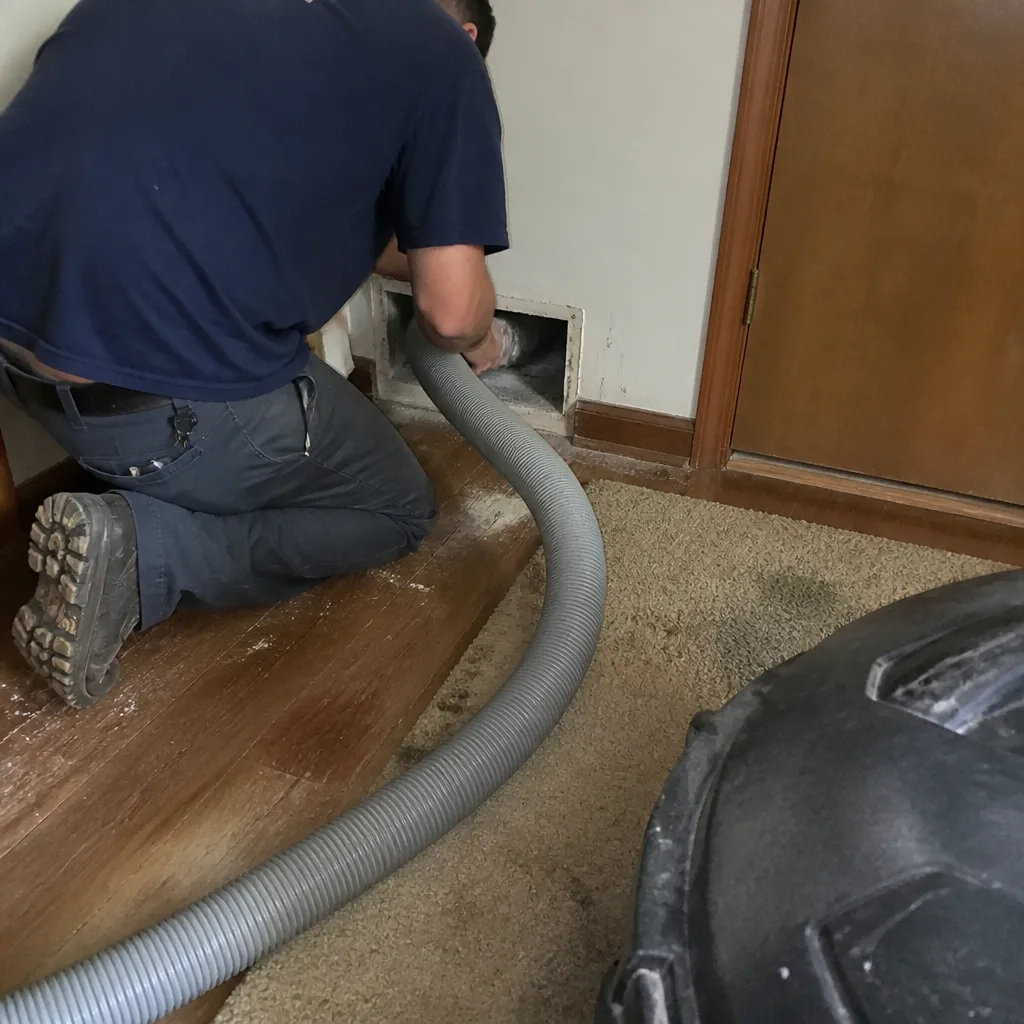 Before
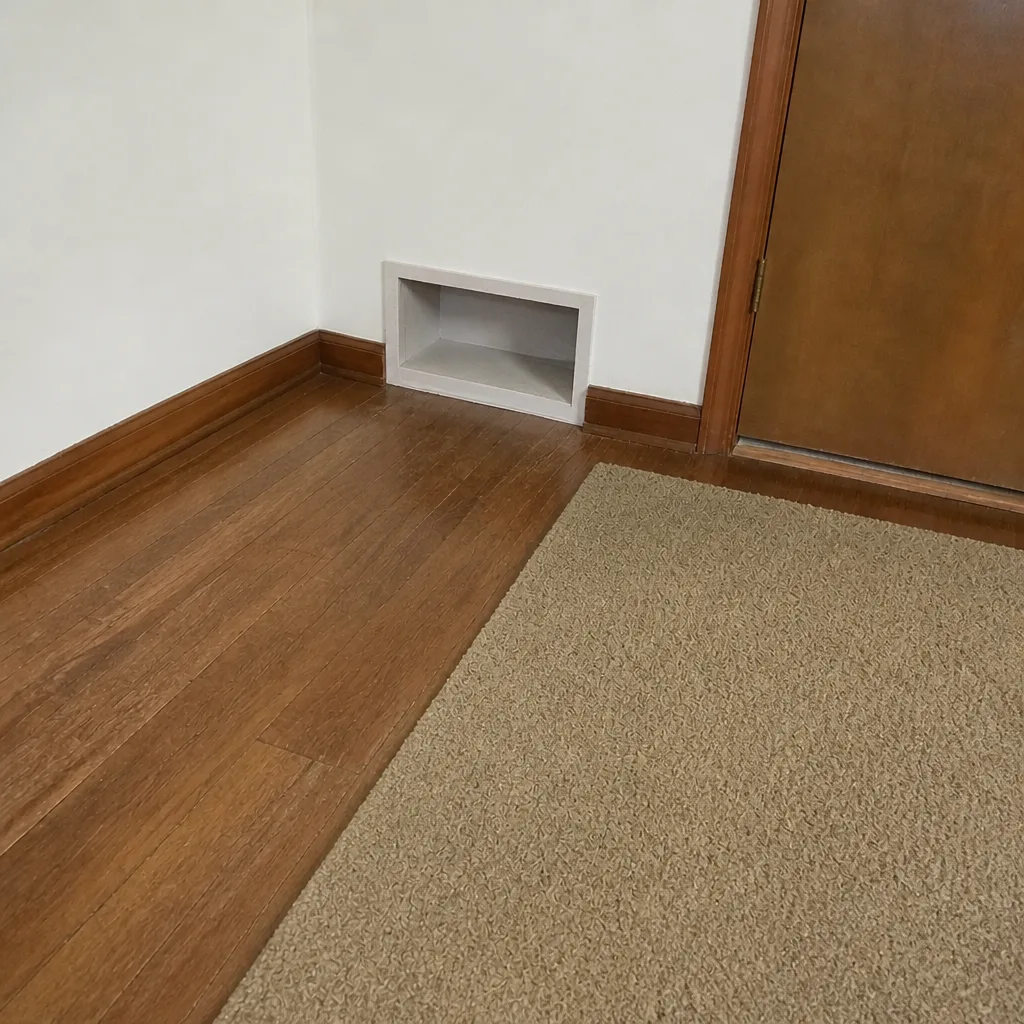 After
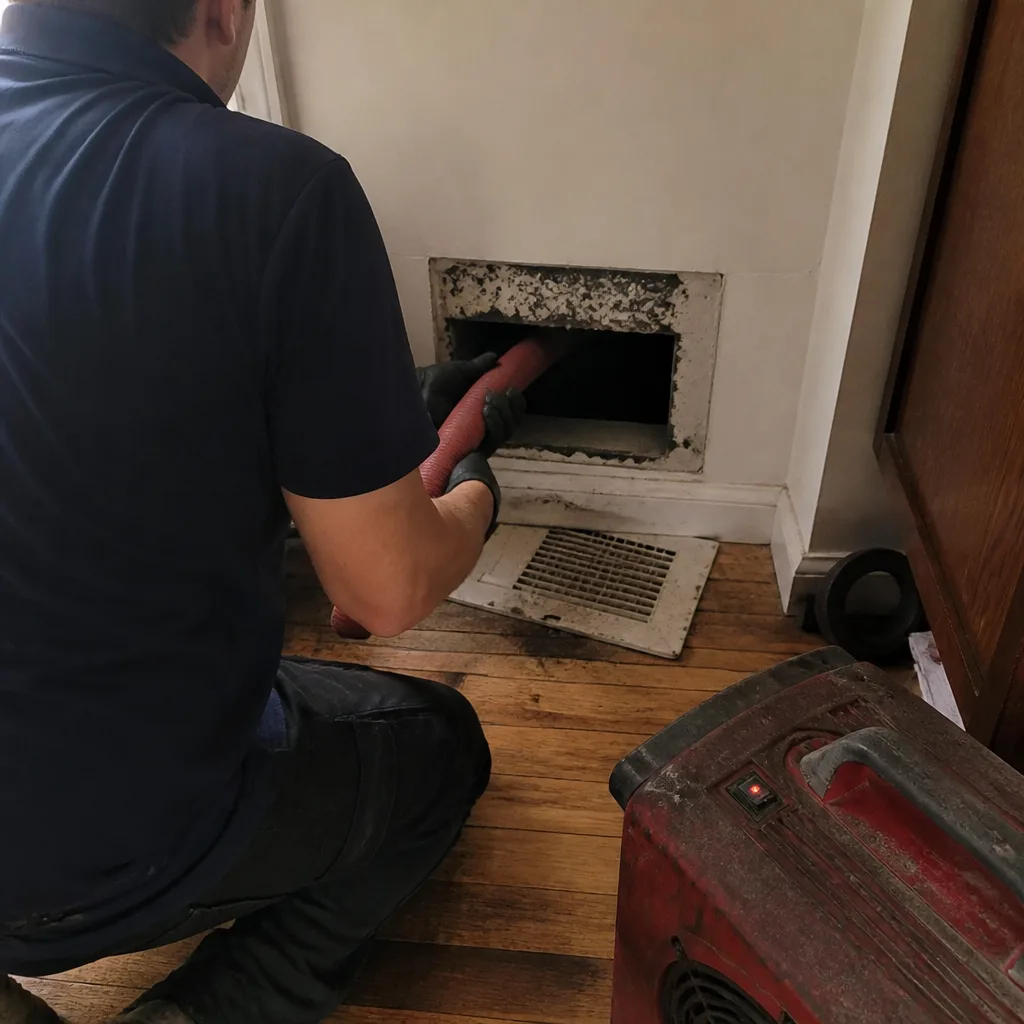 Before
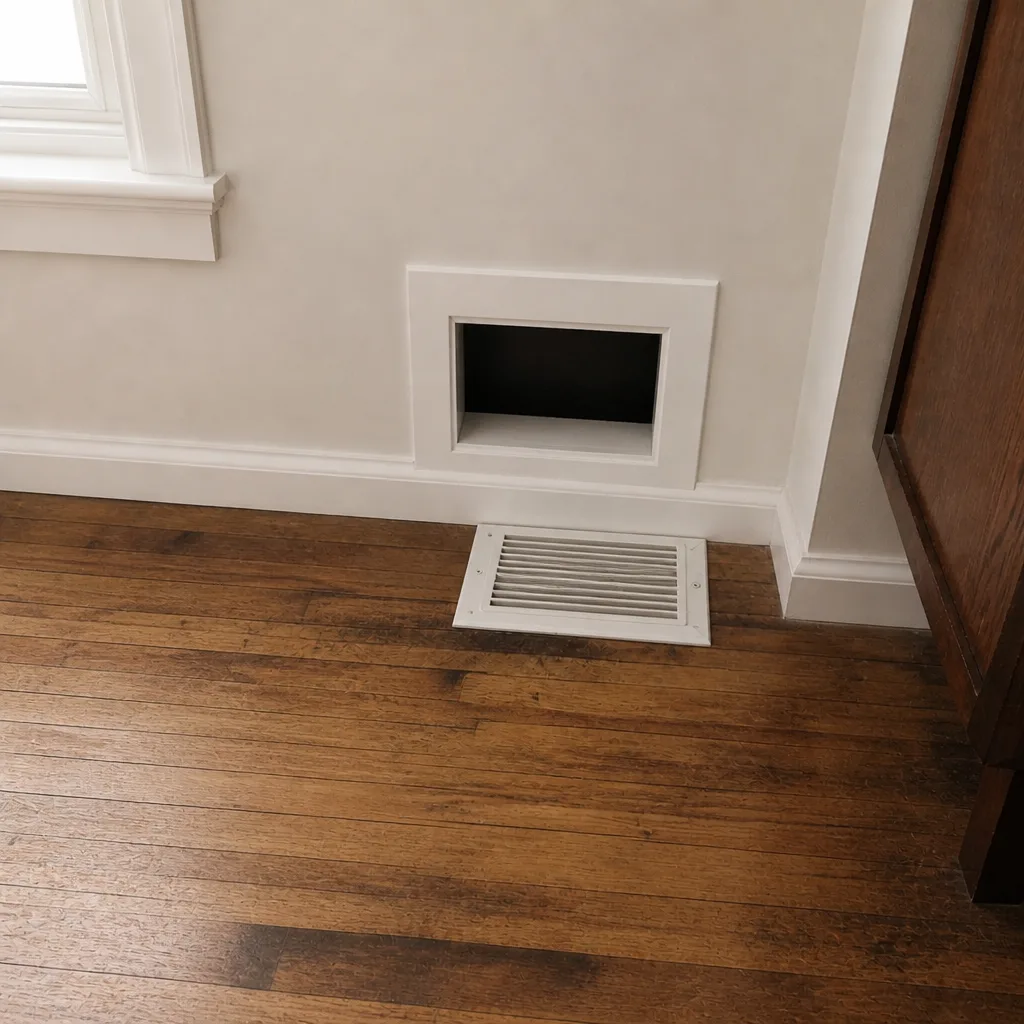 After
 Before
 After
When to Call a Professional
Call a professional when the condition triggers above fire, when a renovation has just finished, when you’ve bought a South Bend home with no duct service history, when visible debris is coming out of a register, or when you’ve noticed pest activity inside the system. Also call if it’s simply been 3 to 5 years since the last cleaning and you don’t know what filter the system is running; the inspection and report will tell you whether the schedule needs to be shorter or longer. We use professional-grade equipment (Rotobrush agitation, Nikro HEPA-rated vacuum, Abatement Technologies containment) because a shop vac and a brush kit loosens debris into the airstream instead of capturing it, and we’re certified to work on and around premium systems including Honeywell and Aprilaire. Duct Cleaning South Bend offers free estimates in South Bend. Call (855) 905-0868. We answer 24/7. Fast dispatch from 7am to 7pm, Sunday through Friday.
Frequently Asked Questions
The working range is every 3 to 5 years for most South Bend homes, with the shorter end applying to homes on basic 1-inch fiberglass filters, homes with pets, older homes, and homes with recent renovation activity. The longer end applies to homes with MERV-11 or higher filtration and well-sealed ductwork. The calendar should be secondary to condition triggers: visible debris, renovation, pest activity, or a new-to-you older home all mean cleaning sooner. Call (855) 905-0868 for an exact quote; estimates are free.
Yes, early fall is the better window. South Bend summers run humid, which is hard on duct liner and interior insulation for months at a time, and the first heat-up of heating season is when dust sitting in the system becomes airborne. Cleaning before heating season starts means you remove the accumulated load and inspect the interior surfaces before they see another winter. Call (855) 905-0868 to book a fall cleaning; estimates are free.
For a whole-system cleaning, typical estimates in South Bend fall in the low-to-mid hundreds for a standard single-family system, with larger or multi-system homes above that range; the written estimate you receive sets the final price. We price one flat rate per system, agreed before work starts, and you get before-and-after photos of your own ducts. Call (855) 905-0868 for an exact quote; estimates are free.
Cheap quotes are usually a teaser price that becomes a much larger invoice once the technician is on site, or they reflect a shop vac and a brush kit rather than a professional equipment stack. A shop vac loosens debris; it doesn’t contain it. We run Rotobrush agitation, Nikro HEPA-rated vacuum, and Abatement Technologies containment so debris is captured, not redistributed, and the price is one flat rate per system. Call (855) 905-0868 for an exact quote; estimates are free.
You get before-and-after photos of the interior of your own ducts, plus a report documenting what was cleaned, what was found, and the condition of your filter, coil, and duct liner. That’s your baseline for the next service call. If a cleaning quote doesn’t include photos of your specific system, ask for them before booking. Call (855) 905-0868 for an exact quote; estimates are free.
Once a year for most households, and more often if you have a large family, long dryer runs, or heavy lint output. Clogged dryer vents are a leading cause of house fires, which is why we treat dryer vent cleaning as a dedicated fire-prevention service rather than an add-on. Call (855) 905-0868 for an exact quote; estimates are free.
The Bottom Line
Build the schedule in layers. Check the filter monthly, inspect registers and vents annually, look at the coil every two years, and clean the full system every 3 to 5 years or whenever a condition trigger fires first. Lean toward the shorter cleaning interval if you’re running basic fiberglass filters, if you have pets, or if you’ve just bought an older South Bend home. Schedule full cleaning in early fall, before heating season, given the city’s humid summers. And treat the post-cleaning inspection report with before-and-after photos as the document that makes the next service call informed instead of blind. Renovation resets the whole thing.
If you want a schedule built around your specific home, Duct Cleaning South Bend offers free estimates. Call (855) 905-0868. We answer 24/7. Fast dispatch from 7am to 7pm, Sunday through Friday.
Written by the team at Duct Cleaning South Bend.